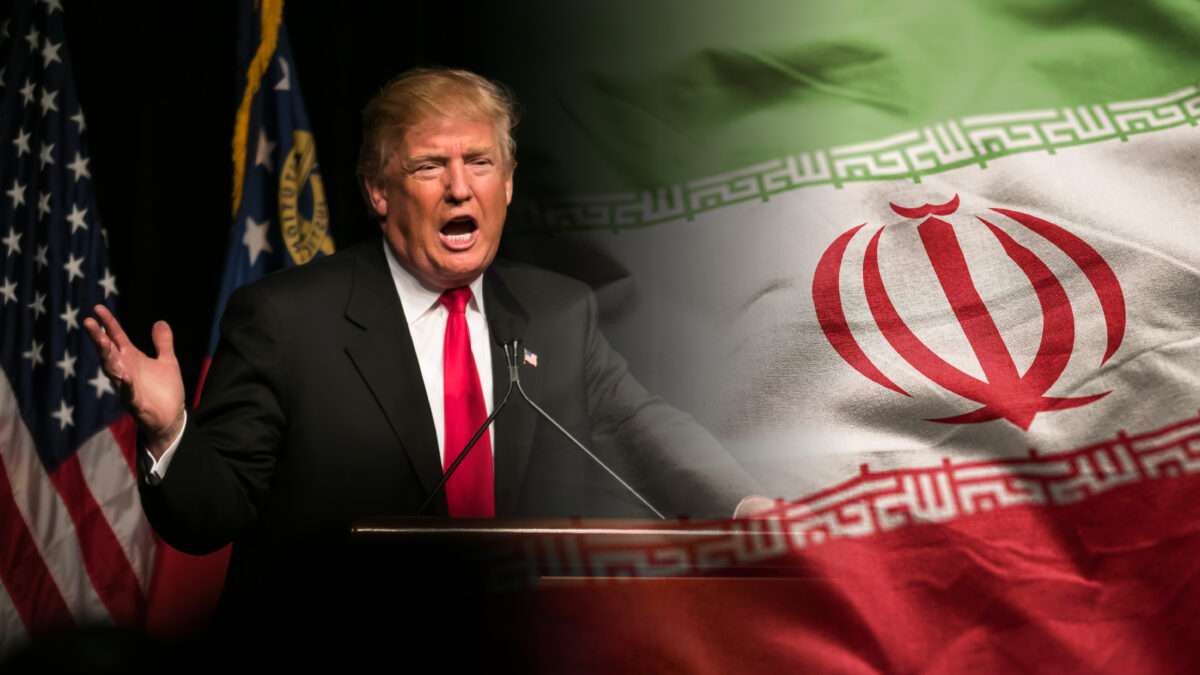
President Trump's decision to launch military operations against Iran without seeking congressional authorization undermined America's ability to sustain a long-term strategy, according to this analysis. The absence of formal congressional approval weakened domestic political support and left the military effort vulnerable to shifts in public opinion and partisan disagreement.
The Constitution explicitly grants Congress the power to declare war. Trump bypassed this requirement by characterizing military strikes as defensive responses rather than acts of war. This approach avoided the legislative process that would have forced a public debate and generated sustained backing from both parties.
Without congressional authorization, the conflict lacked the legitimacy and staying power that a formal declaration provides. Congress approval typically signals broad political consensus and commits the legislative branch to sustaining operations through funding and oversight. The absence of this commitment meant the administration operated with limited leverage to maintain military operations, build international coalitions, or justify ongoing spending to the American public.
The analysis draws a connection between constitutional procedure and practical military outcomes. A war that Congress explicitly authorized would have generated political cover for long-term commitments. Conversely, a unilateral executive action creates conditions where opposition forces can challenge the operation's legality and necessity without facing charges of undermining a constitutionally authorized effort.
This argument reflects a broader debate about executive power in national security. Presidents often claim emergency powers to act swiftly in crises without waiting for legislative approval. Critics contend this creates legal ambiguity and weakens the political foundation necessary for sustained military engagement.
The constitutional requirement for congressional war powers exists precisely to ensure that major military operations receive democratic legitimacy and sustained political support. Trump's approach prioritized executive flexibility over institutional process, with consequences for both the constitutional order and the practical effectiveness of military strategy.