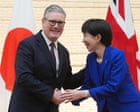
Prime Minister Keir Starmer will host Japanese counterpart Sanae Takaichi at Downing Street on Sunday to formalize an £18 billion investment agreement between the two nations. The deal combines commercial and government commitments designed to generate tens of thousands of jobs across the UK.
The timing precedes next week's G7 summit, positioning the announcement as a signal of Britain's trade ambitions following its departure from the European Union. The investment package represents a substantial bilateral economic commitment at a moment when the Labour government seeks to demonstrate its capacity to attract foreign capital and strengthen international partnerships.
Starmer has framed the agreement as central to his government's growth agenda. The deal encompasses both private sector investments and official government backing, suggesting coordination across multiple economic sectors. The emphasis on job creation reflects Labour's campaign promises around economic renewal and employment.
Japan ranks among the world's largest investors and has maintained substantial interests in UK manufacturing and financial services. Japanese firms operate across automotive, electronics, pharmaceuticals, and professional services sectors in Britain. This agreement likely extends existing investment frameworks while potentially opening new opportunities in emerging industries like clean energy and advanced technology.
The visit occurs as Britain navigates post-Brexit trade relationships and competes with other nations for foreign direct investment. The EU and United States have pursued similar bilateral deals with Tokyo, making this agreement partly competitive positioning in the global economy.
Takaichi brings significant standing to the negotiation. As an experienced political figure in Japan's governing structure, her presence signals Tokyo's commitment to deepening UK ties. Her visit underscores Japan's continued interest in stable, long-term partnerships with Western democracies beyond its traditional Asian focus.
The announcement carries domestic political weight for Starmer's Labour government, which campaigned on reviving Britain's economic performance. Concrete foreign investment deals provide tangible evidence of the government's effectiveness in delivering on growth promises. The £18