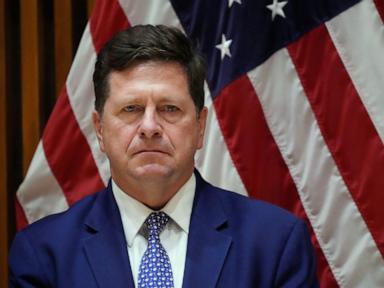
President Donald Trump nominated Jay Clayton as director of national intelligence, a position that requires Senate confirmation. Clayton currently serves as U.S. Attorney for the Southern District of New York, one of the most prominent federal prosecutor roles in the country.
Clayton previously chaired the Securities and Exchange Commission under Trump's first administration, where he oversaw financial market regulation and enforcement. His appointment to lead the intelligence community marks a significant shift in his career trajectory from financial regulation and prosecution to overseeing the nation's spy agencies.
The director of national intelligence serves as the principal advisor to the president on intelligence matters and coordinates activities across the CIA, FBI, NSA, and other agencies. The position demands deep expertise in national security, foreign policy, and intelligence operations. Clayton's prosecutorial background provides experience with classified investigations and counterintelligence, though his primary career focus has been financial crime and securities law rather than intelligence operations.
Trump's choice reflects his preference for nominating loyalists with previous administration experience. Clayton served the president's agenda during his first term and maintained business connections to Trump's circle. The nomination signals Trump's intent to place trusted figures in positions overseeing sensitive intelligence operations and national security decisions.
Senate Republicans control the confirmation process and have indicated support for Trump's cabinet selections. However, Clayton will face questions during confirmation hearings about his experience in intelligence, his management approach to coordinating multiple agencies, and his independence from political pressure. Democrats will likely scrutinize his tenure at the SEC and his prosecutorial record.
Clayton's background in financial crimes and regulatory enforcement differs notably from typical intelligence director candidates, who often come from CIA, NSA, or military intelligence backgrounds. His appointment represents Trump's unconventional approach to staffing his administration, prioritizing loyalty and business acumen over traditional intelligence community experience.