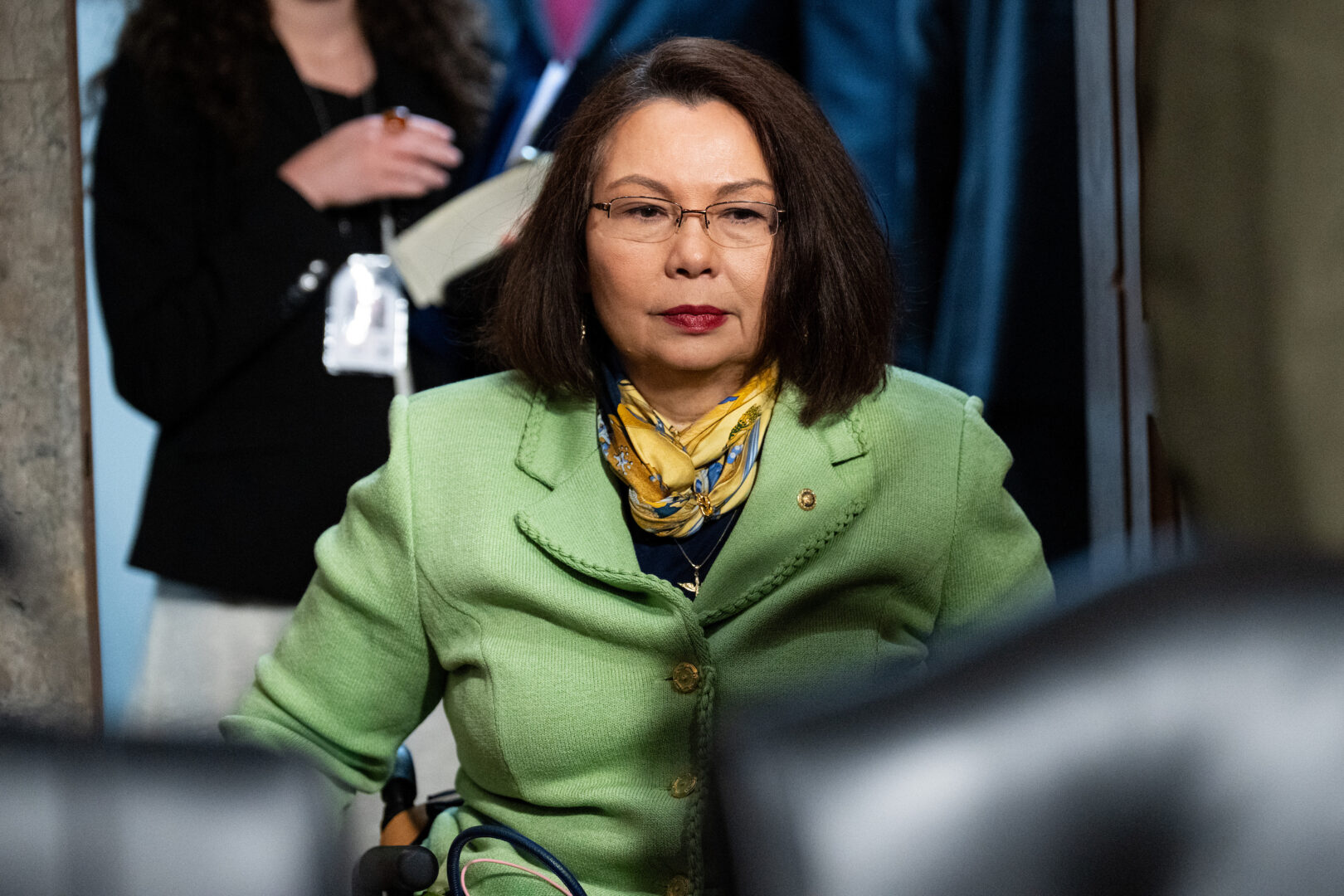
Senate Armed Services Committee Republicans reversed course this week and voted against expanding fertility treatment coverage for military families in the National Defense Authorization Act, according to Democratic Senator Tammy Duckworth.
The move marks a significant shift from earlier GOP support for the provision. Duckworth, a vocal advocate for military family benefits, condemned the reversal in a statement emphasizing that service members should not have to choose between their military careers and family planning.
The fertility care provision would broaden health insurance coverage under TRICARE, the military's health system, to include treatments like in vitro fertilization and egg freezing. Democrats included the measure in the annual NDAA, viewing expanded fertility benefits as a recruitment and retention tool for the all-volunteer military.
Republicans on the Armed Services Committee, historically defenders of military benefits, opted to strip the provision from the defense bill. The committee's action reflects broader partisan tensions over reproductive health policy. While some Republicans support fertility treatments as distinct from abortion access, others within the GOP coalition oppose expanding coverage they view as government overreach or overly costly.
The NDAA requires bipartisan support to advance. House passage typically depends on negotiations between committees and party leadership. The fertility provision's fate now depends on whether Democrats can negotiate its reinclusion or whether the full Senate will vote to restore it.
Military families already face barriers to fertility treatment access due to cost and limited TRICARE coverage. Advocates note that fertility struggles affect service members at similar rates as the general population, and some military spouses relocate frequently, complicating continuity of reproductive care.
The Senate Armed Services Committee's action underscores how defense spending bills increasingly become vehicles for contentious social policy debates rather than focusing narrowly on military readiness and weapons procurement. Committee Democrats will likely contest the reversal during floor negotiations, arguing that military families warrant parity with civilian federal employees, many of whom receive fertility coverage through their health