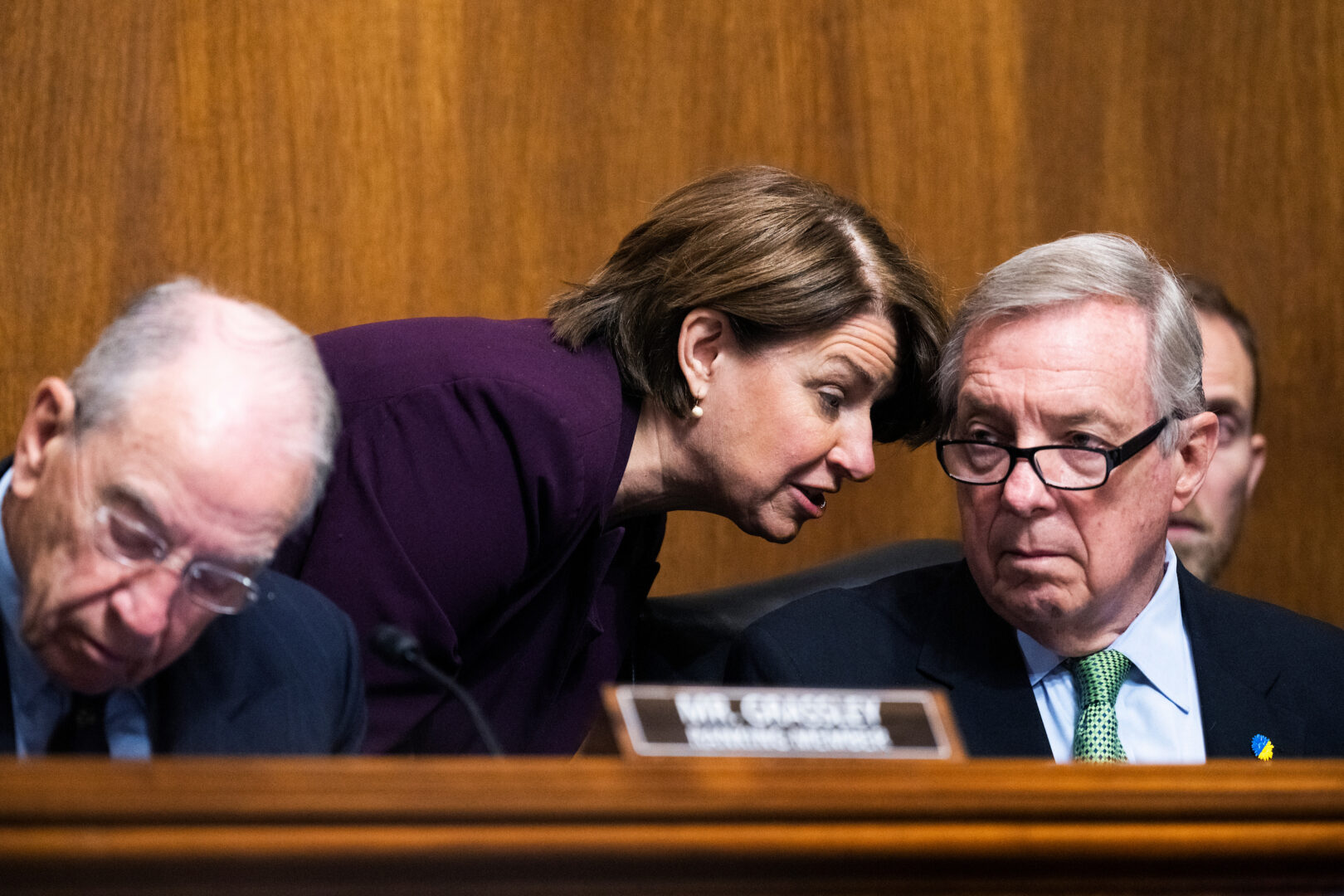
Senator Charles Grassley of Iowa and Senator Amy Klobuchar of Minnesota reintroduced legislation Wednesday designed to prevent large online platforms from favoring their own services over competitors. The bill resurfaces after similar versions stalled in previous congressional sessions due to fierce pushback from major technology companies.
The measure targets practices where dominant digital platforms leverage their market position to disadvantage outside businesses. Amazon's promotion of its own products on its marketplace, Apple's preferential treatment of its App Store offerings, and Google's search algorithm advantages represent the types of conduct the bill addresses.
Grassley chairs the Senate Judiciary Committee, giving the legislation a direct path to markup and floor consideration. Klobuchar has long championed antitrust reform targeting tech giants and sits on the committee as well. Their bipartisan partnership signals an attempt to build consensus around competitive fairness in digital markets.
The technology industry mobilized opposition to previous versions of this bill. Tech companies argue the measure would harm innovation, create security risks, and disrupt their business models. They contend that integrated services benefit consumers through seamless experiences and competitive pricing.
Supporters counter that dominant platforms exploit their gatekeeper status unfairly. They point to investigations by state attorneys general and the Federal Trade Commission documenting discriminatory conduct. The legislation aims to level the playing field for startups and smaller businesses that compete on major platforms but lack the leverage to negotiate fair treatment.
The bill's revival reflects growing bipartisan frustration with tech monopolies. Both parties have expressed concerns about market concentration, though they emphasize different harms. Republicans worry about content moderation decisions, while Democrats focus on anticompetitive practices and labor standards.
Success remains uncertain. Tech industry lobbying influence remains substantial in Congress, and several moderate senators have expressed reservations about aggressive antitrust measures. The committee schedule and floor time limitations could further delay action.