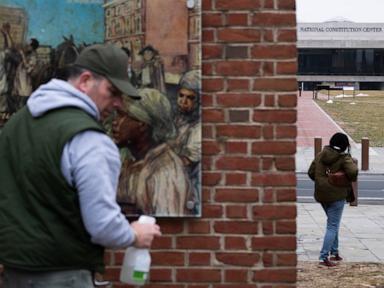
The Trump administration issued an executive order directing National Park Service visitors to report historical displays and exhibits deemed "negative" about Americans, with plans to reshape sites into what officials called "uplifting public monuments."
The directive represents a significant shift in how the federal government approaches historical interpretation at parks. Rather than allowing curators and historians to present comprehensive accounts of American history, the order empowers visitors to police content they find objectionable. The administration framed this as restoring pride in national heritage.
The order targets exhibits covering slavery, systemic racism, civil rights struggles, and other difficult chapters of American history. Park officials were instructed to consider visitor complaints when evaluating displays. The initiative reflects broader Republican skepticism toward what conservatives call "woke" historical narratives, a recurring theme in Trump administration policy.
Historical institutions and museum professionals have challenged the directive. Historians argue that accurate history requires presenting uncomfortable truths alongside achievements. They contend that eliminating or downplaying difficult historical periods distorts public understanding and undermines the educational mission of national parks.
Park rangers and curators face practical pressure balancing visitor feedback with scholarly standards. The order creates tension between satisfying visitor complaints and maintaining historical accuracy. Many parks serve diverse audiences with competing views on how history should be presented.
The initiative extends Trump's broader cultural agenda. Similar efforts have targeted school curricula and museum exhibitions nationwide. Administration officials argue Americans deserve pride in their nation's accomplishments without constant reminders of failures.
Civil rights groups and historians have warned the directive sets a dangerous precedent for government interference in historical interpretation. They note that democratic societies benefit from confronting difficult pasts honestly rather than sanitizing them. The order raises questions about federal control over how Americans understand their own history and who determines which historical narratives deserve public presentation.