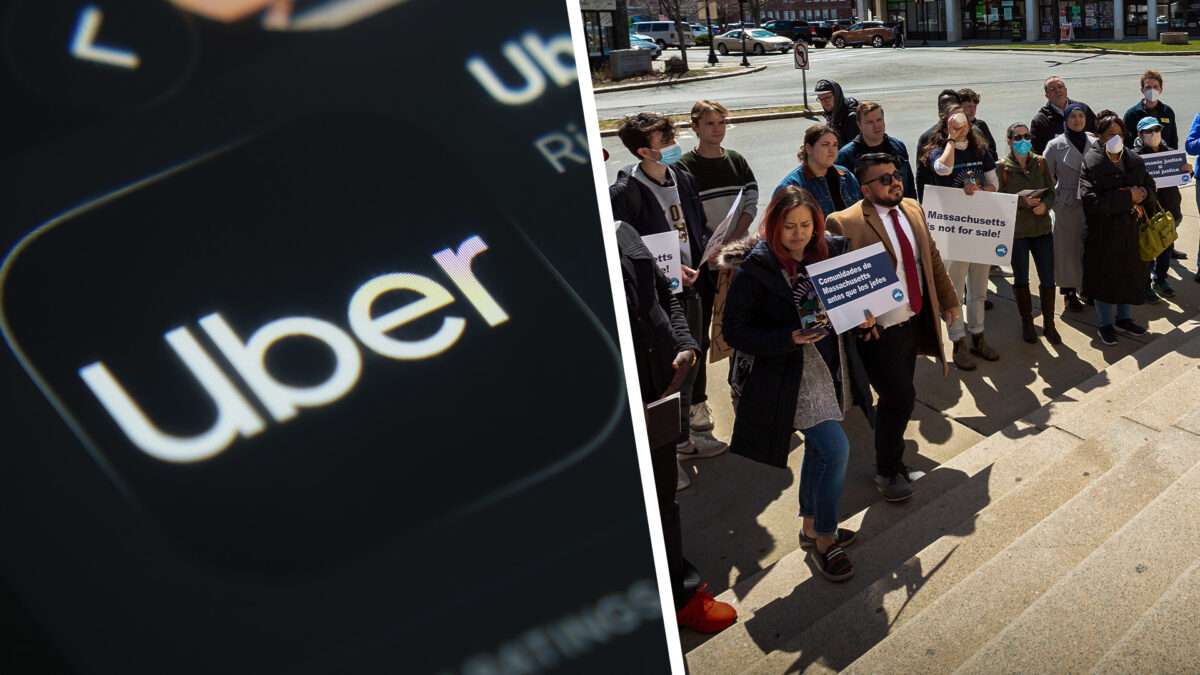
Unionization efforts targeting Uber drivers represent a fundamental shift in how gig economy platforms classify workers. Advocates push to reclassify drivers as employees rather than independent contractors, granting them union representation, benefits, and job protections. The Reason article argues this change carries real costs for all parties involved.
Currently, Uber treats drivers as independent contractors. This classification allows the company to avoid providing health insurance, retirement plans, paid leave, and other employee benefits. Drivers gain scheduling flexibility but sacrifice labor protections and stable income guarantees. Unionization would flip this model, requiring Uber to provide full employment benefits and comply with collective bargaining agreements negotiated by union representatives.
The economic calculus shifts dramatically under unionization. Uber would face higher labor costs, likely passed to riders through increased fares. Drivers might gain wage floors and grievance procedures, but they could lose the flexibility that attracted many to gig work initially. Companies like Uber might also reduce driver availability or accelerate investment in autonomous vehicles to offset costs.
This debate sits at the intersection of labor law and technology policy. Several states and municipalities have moved toward stricter worker classifications. California's Proposition 22, supported by Uber and Lyft, carved out a carve-out allowing gig platforms to maintain contractor status while providing limited benefits. Other jurisdictions moved in the opposite direction, with some European cities and progressive American municipalities pushing harder for employee status.
The unionization push reflects broader labor movement attempts to organize workers excluded from traditional union frameworks. Service workers, delivery drivers, and other gig participants represent a growing segment of the workforce with minimal job security. Unions see organizing opportunities. Companies see threats to their business model and profitability.
The outcome remains uncertain. Federal labor law complicates unionization in the gig sector. NLRB rulings could either facilitate or block union organizing efforts depending on how officials