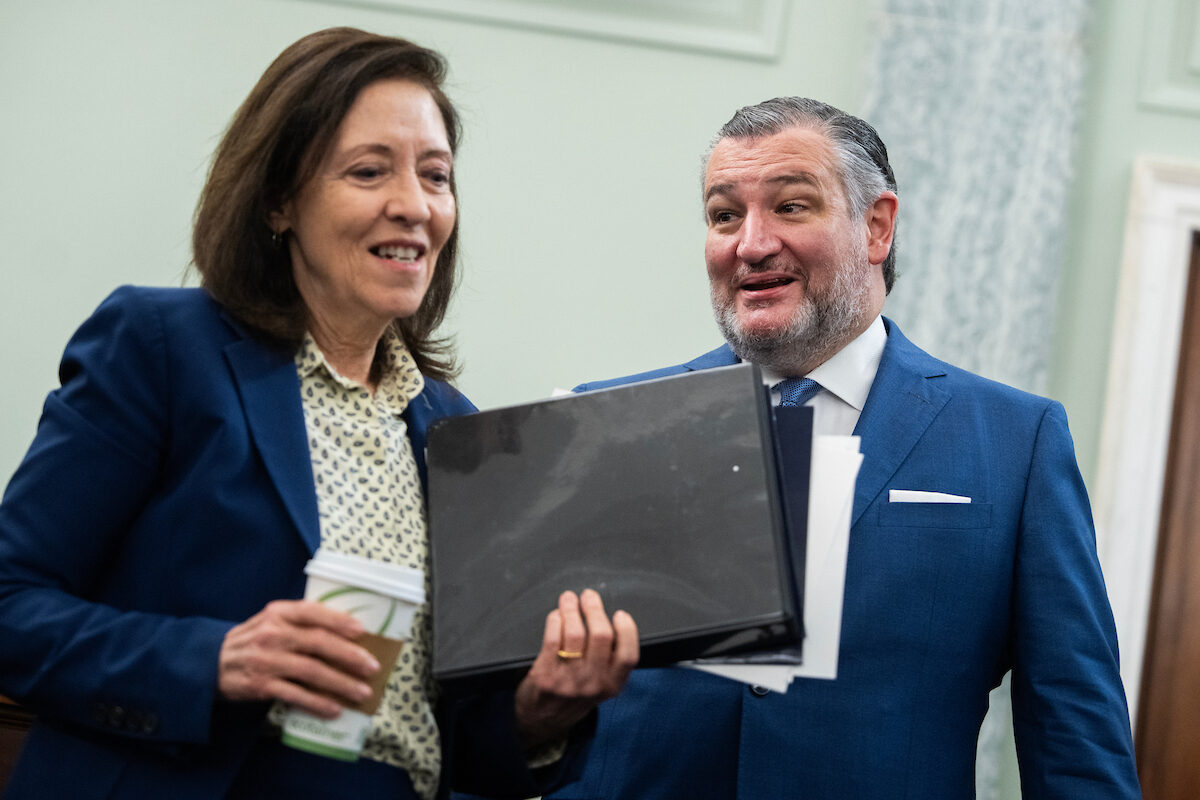
The Senate Commerce Committee scheduled a June 18 markup on bipartisan legislation overhauling college sports rules, with President Donald Trump's backing. The bill proposes sweeping changes to collegiate athletics governance and structure.
Committee members plan to consider multiple amendments during the markup session. One amendment focuses on protecting non-revenue sports, addressing concerns that athletic departments may eliminate smaller sports programs during any regulatory transition.
Trump's endorsement carries weight in the Republican-controlled Senate. His support suggests the measure has a path forward despite the complexity of rewriting rules that affect thousands of student-athletes and university programs nationwide.
The push for college sports reform reflects years of tension over athlete compensation, transfer portal rules, and Title IX compliance. Athletic departments have struggled with rising costs and revenue pressures, particularly after the NCAA lost a key antitrust case. That legal defeat prompted the governing body to relax restrictions on athlete name, image, and likeness deals, though broader systemic questions remain unresolved.
The bipartisan nature of this bill distinguishes it from many Senate efforts. Commerce Committee Democrats and Republicans apparently found common ground on the need for federal intervention to standardize rules across states. Without uniform federal standards, states have proceeded independently with athlete compensation laws, creating competitive confusion for universities operating across state lines.
Non-revenue sports protection represents a core concern for amendment supporters. Schools may cut baseball, track, soccer, or other programs lacking television contracts to offset spending on revenue-generating football and basketball. Any federal overhaul must address this risk to preserve athletic opportunities beyond elite sports.
The June 18 markup will test whether the committee maintains bipartisan consensus or splinters over specific rule changes. Votes on amendments will signal which provisions draw controversy and which enjoy broad support.
Passage through Commerce would send the bill to the full Senate floor. Timeline and floor scheduling remain unclear, though Trump's backing suggests Republican leaders view this as a legislative