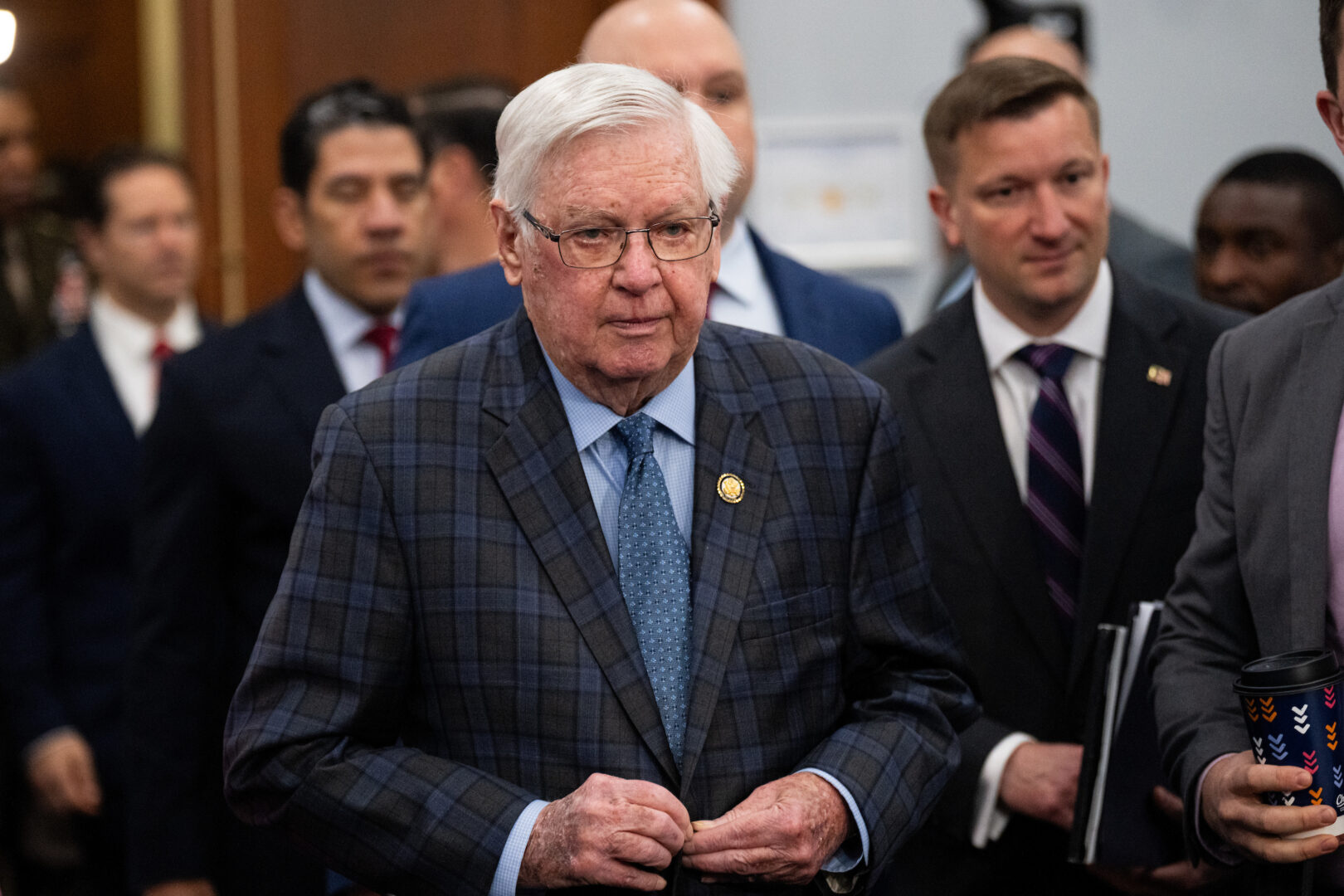
Republican Rep. Harold Rogers has continued steering federal earmarks toward nonprofits he helped establish, reviving a pattern that earned him the nickname "Prince of Pork" during his decades in Congress. The Kentucky appropriator, long known for directing substantial federal funding to his district, has resumed the practice after earmarks were temporarily banned.
Rogers chairs the House Appropriations Committee, giving him significant power over federal spending decisions. His history of funneling tens of millions in earmarked funds to organizations tied to his political interests has drawn repeated criticism from government watchdogs and fiscal hawks who view the practice as wasteful and self-serving.
The appropriations earmark process allows individual lawmakers to direct specific funding to projects and entities within their districts. While Rogers is hardly alone in using this tool, the scale and pattern of his earmarks have made him a lightning rod for debate about pork barrel spending. Critics argue that allocating federal dollars to organizations a lawmaker personally helped create represents a conflict of interest and poor stewardship of taxpayer money.
Rogers represents Kentucky's 5th Congressional District and has served in the House for decades, building a reputation as one of Washington's most prolific practitioners of district-focused spending. His influence over the appropriations process has allowed him to direct resources with remarkable consistency toward preferred recipients.
The return of earmarks in recent years, after a decade-long moratorium, has reignited the long-standing debate over whether the practice serves legitimate local needs or primarily benefits well-connected politicians and their allies. Rogers' renewed activity in this area underscores how entrenched these spending patterns remain among powerful committee members.
Advocates for earmark reform argue that such directed spending should face stricter transparency requirements and conflict-of-interest rules. Rogers' continued reliance on this mechanism, despite his controversial history, demonstrates the difficulty of reforming congressional spending practices when powerful appropriators benefit from the status quo