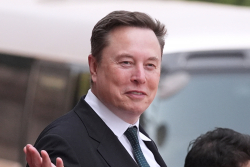
Elon Musk crossed the one trillion dollar net worth threshold following SpaceX's initial public offering on Nasdaq, becoming the world's first trillionaire. The rocket company's IPO created thousands of new millionaires among early investors and employees who held equity stakes in the privately held firm.
Musk's wealth surge stems entirely from paper gains tied to SpaceX's valuation jump during the public offering. His net worth remains subject to stock price volatility and market conditions. The SpaceX IPO represents a watershed moment for the commercial space industry, which has matured from government-dependent contracts to standalone commercial viability.
The offering carries political dimensions beyond markets. SpaceX dominates U.S. military space contracts and government launches through its relationship with the Pentagon and NASA. Musk's growing financial power amplifies his influence over national security infrastructure and technology policy. His posts on X, formerly Twitter, shape political discourse and reach hundreds of millions globally.
SpaceX employees benefited substantially from the IPO's success. Stock options issued over decades became liquid wealth for engineers, technicians, and executives who built the company's reusable rocket technology. The wealth creation underscores SpaceX's value as an operational enterprise rather than a speculative venture.
Musk's trillion dollar status arrives amid intensifying scrutiny of his political activities. His $285 million super PAC spent aggressively in the 2024 election cycle. His acquisition of Twitter and transformation into X drew criticism over content moderation policies and free speech approaches. His government contract holdings raise questions about concentrated private power over public capabilities.
The SpaceX IPO's timing matters for ongoing policy debates. Congress monitors commercial space ventures for national security risks. The Defense Department depends on SpaceX for national security launches. Musk's wealth and influence create new governance questions about private sector power in critical infrastructure.