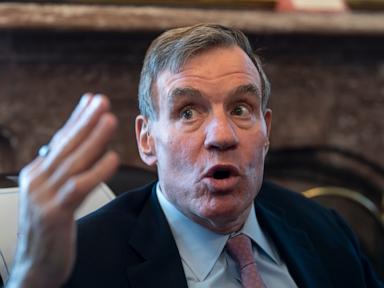
Senate Democrats blocked reauthorization of a key surveillance tool, allowing it to lapse rather than pass legislation that Republicans supported. The move reflects a hardball strategy Democrats are employing across multiple legislative fights against President Trump and his Republican colleagues.
The surveillance authority in question represents a consequential intelligence-gathering power. By refusing to renew it even in bipartisan form, Democrats signaled they will not cooperate on major legislation without extracting concessions on other priorities. This approach marks a shift from earlier patterns of accommodation.
Senate Democratic leadership calculated that blocking even bipartisan bills serves their broader political objectives. The tactic forces Republicans to either negotiate on Democratic terms or accept the lapse of authority they consider vital to national security operations.
This strategy emerged as Democrats found themselves emboldened despite controlling fewer Senate seats than Republicans. They recognized that certain tools and authorities require supermajority support to pass, giving the minority party leverage over legislation that might otherwise pass with simple majority votes. Democrats are leveraging this structural advantage.
The surveillance tool's expiration creates operational challenges for intelligence agencies. However, Democrats view the short-term inconvenience as worth the long-term political payoff. By demonstrating they will block even bipartisan measures, they establish negotiating credibility on healthcare, environmental policy, and judicial confirmations.
Republicans control the Senate, House, and presidency, yet Democrats identified specific legislative choke points where they retain power. Intelligence authorities that touch on both civil liberties and national security proved one such opportunity. Democrats used it to demonstrate their willingness to fight Trump on multiple fronts simultaneously.
The blockade signals that the 119th Congress will see fewer compromises than some anticipated. Both parties are positioning for confrontation rather than collaboration. Democrats expect this approach will extract concessions on other Democratic priorities or force Republicans to adopt policies Democrats prefer to avoid greater legislative pain.