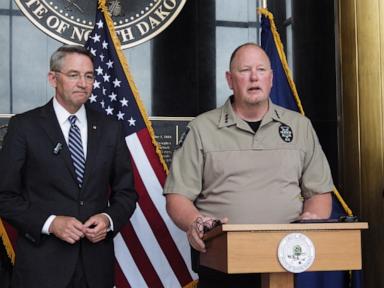
North Dakota and the federal government reached a settlement in a lawsuit stemming from the state's policing expenses during the Dakota Access Pipeline protests of 2016-2017. The state had sought to recover costs incurred by law enforcement operations deployed to manage the demonstrations at the pipeline construction site.
The Dakota Access Pipeline protests drew thousands of activists and Native American tribal members to North Dakota, particularly from the Standing Rock Sioux Tribe, which opposed the project on environmental and cultural grounds. The demonstrations lasted months and required extensive state police presence and resources.
North Dakota Governor Doug Burgum's administration filed the lawsuit against the federal government, arguing that since the pipeline project involved federal permits and oversight, Washington should shoulder the financial burden of the state's law enforcement response. The state claimed it incurred substantial costs deploying officers, equipment, and support services to maintain order at the protest sites.
The settlement terms were not immediately disclosed in full, but the agreement represents a resolution to a years-long dispute between state and federal authorities over responsibility for protest-related policing expenses. The dispute reflects broader tensions over how costs get allocated when federal infrastructure projects trigger large-scale public demonstrations.
The Dakota Access Pipeline became fully operational in 2017 despite the protests. The litigation that followed addressed various legal and financial claims connected to the demonstrations, including this policing cost dispute. The settlement allows both the state and federal government to move forward without prolonged litigation.
This resolution comes as pipeline projects continue to face environmental scrutiny and protest activity nationwide. The agreement provides closure on one of the lingering financial disputes from one of the largest protest movements against fossil fuel infrastructure in recent U.S. history.