# The World Cup and Human Trafficking: What Research Actually Shows
Public awareness campaigns linking the World Cup to human trafficking rely on intuition rather than evidence, according to research examining the actual risks at major sporting events.
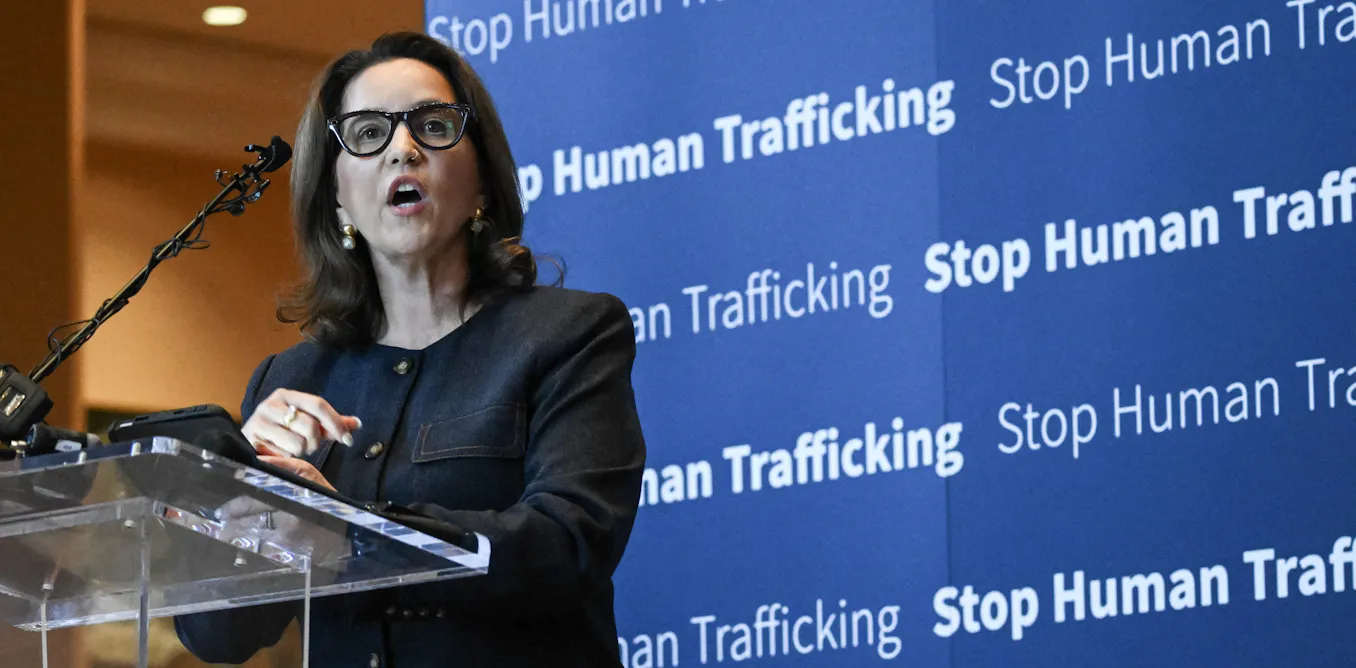
Organizations and governments routinely launch anti-trafficking initiatives tied to major tournaments, warning of increased exploitation during these events. The campaigns focus attention on the problem and aim to mobilize resources. However, scholars studying human trafficking patterns have found limited empirical evidence that major sporting events systematically increase trafficking activity.
This disconnect matters for policy. When governments and NGOs invest heavily in trafficking prevention tied to specific events, they may redirect resources away from year-round efforts addressing the structural drivers of exploitation. The research suggests trafficking networks operate continuously regardless of sporting calendars, with victims typically exploited through existing criminal supply chains rather than sudden surges created by tournaments.
The World Cup in particular generates intense anti-trafficking messaging. Host nations deploy special task forces, train hotel staff, and broadcast public service announcements. These interventions sound prudent. Yet data collection remains inconsistent across jurisdictions, making it difficult to isolate whether events actually increase trafficking or simply increase detection and awareness.
Some researchers argue the campaigns themselves serve a purpose beyond evidence. They raise public consciousness about trafficking, which has value independent of World Cup-specific risk levels. Others contend the focus on sporting events obscures trafficking's real nature as a persistent, systematic crime affecting vulnerable populations everywhere.
The tension reflects a broader challenge in anti-trafficking work. Policymakers need actionable intelligence to deploy resources effectively. When campaigns outpace evidence, they risk misallocating funds or creating false security. For sustainable progress, researchers call for better data collection, longitudinal studies tracking trafficking patterns before and after events, and honest assessment of what prevention strategies actually work.
The World Cup remains a platform for raising awareness. The question is whether that awareness translates into effective protection for trafficking