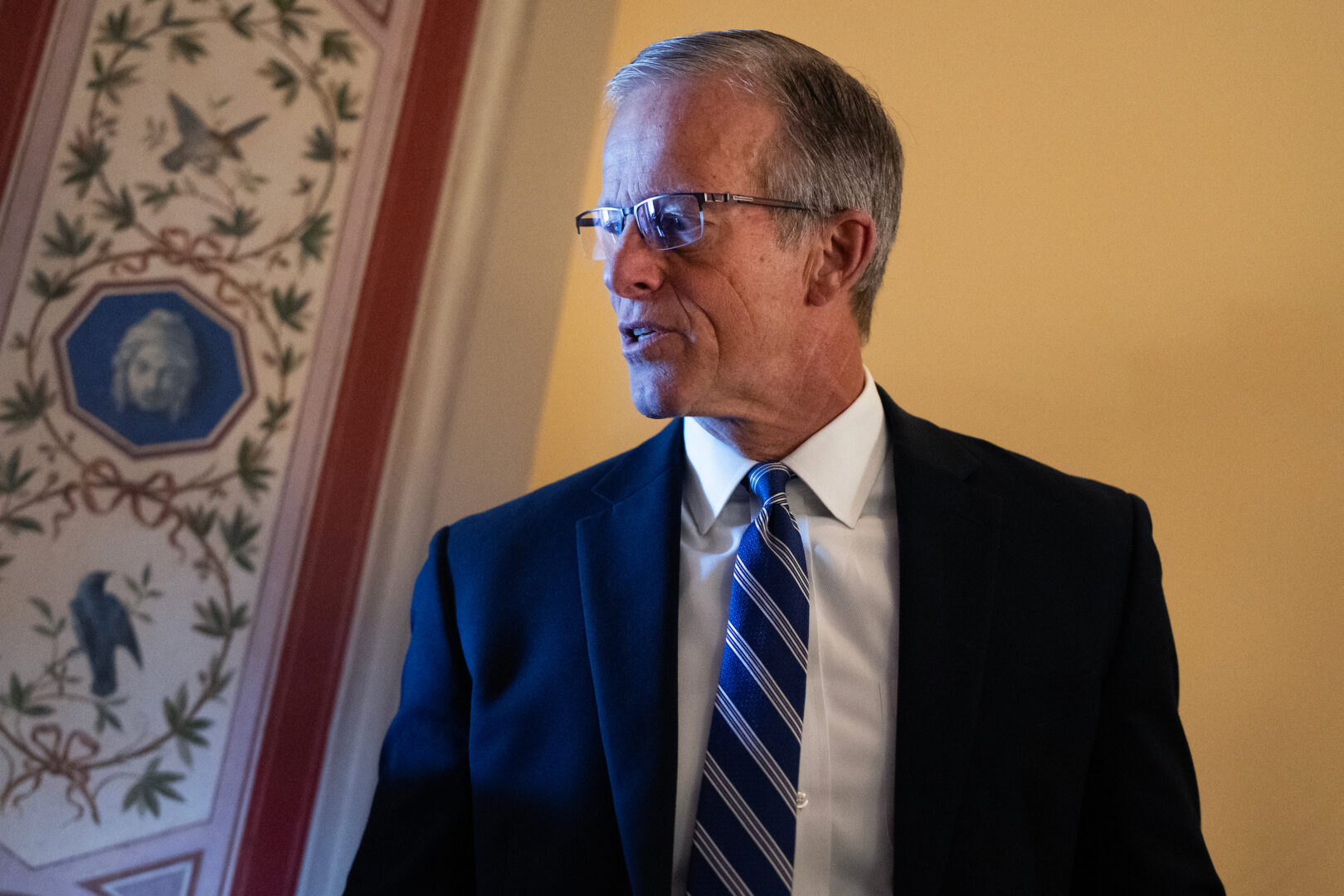
Senate Majority Leader John Thune announced Thursday that Republicans will accelerate confirmation proceedings for President Donald Trump's director of national intelligence nominee. Thune, a South Dakota Republican, told reporters the chamber will push the limits on how fast it can process the nomination.
Trump unveiled his DNI pick Thursday afternoon, though the full name was not disclosed in available reporting. The move reflects the administration's push to staff critical intelligence and national security positions rapidly following Trump's return to office.
Thune's commitment to expedited action signals Republican control of the Senate under the new congressional majority. Senate Republicans hold the procedural levers to fast-track nominations through committee review and floor votes, bypassing extended debate periods. This approach aligns with Trump's broader agenda to install loyalists across the executive branch quickly.
The DNI role carries substantial weight in the intelligence community. The director coordinates intelligence gathering and analysis across 18 agencies, including the CIA, FBI, and NSA. This position reports directly to the president and shapes the administration's national security decision-making.
Confirmation timelines for senior intelligence officials typically span weeks or months, involving background vetting, security clearance review, and committee hearings. Thune's vow to "probe the limits" of speed suggests Republicans may compress this schedule, though security protocols and basic ethical review remain necessary.
The fast-track approach could face resistance from Senate Democrats, who may demand sufficient time for questioning and vetting. Democrats lack the votes to block confirmation but can use procedural tools to slow the process. However, with Republicans holding the majority, their ability to obstruct remains limited.
Trump's previous DNI confirmed under different circumstances. The speed of this confirmation will test Senate Republicans' willingness to prioritize executive branch staffing over deliberative review processes for positions overseeing the entire U.S. intelligence apparatus.