# Summary
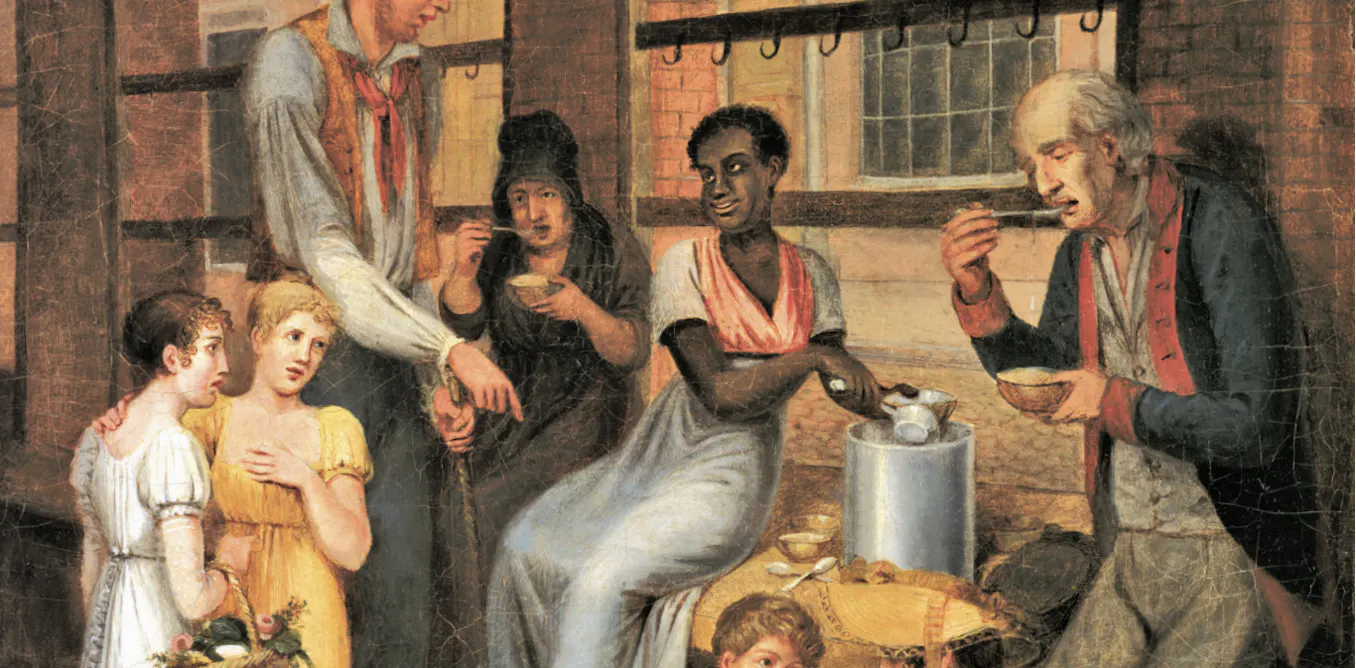
Dina's story illuminates a forgotten chapter of Philadelphia's early history. After escaping slavery, she carved out economic independence by selling pepper pot stew on city streets while evading recapture efforts by her enslaver.
Pepper pot stew, a dish made from meat scraps, offal, and vegetables, emerged as survival food for the poor in colonial Philadelphia. For enslaved and formerly enslaved Black women, street vending offered something more than sustenance. It provided a path to freedom and financial autonomy in a city that attracted Black migrants seeking refuge from the South.
The dish itself reflects Philadelphia's multicultural composition. It combines West African cooking traditions with Native American ingredients and European preparation methods, emerging as a distinctly local creation. Poor residents, lacking access to quality cuts of meat, transformed scraps into nourishing meals sold cheaply on street corners.
For Black women like Dina, vending pepper pot stew meant operating outside formal labor systems. They worked independently, kept their earnings, and built networks within Philadelphia's growing Black community. This independence, though precarious, stood in stark contrast to slavery and indentured servitude.
Dina's case demonstrates the risks enslaved people took to claim freedom. Her enslaver's attempts to recapture her show how slaveholders pursued runaways even in northern cities. Yet Philadelphia's growing population and diverse economy created opportunities for people to disappear into urban anonymity.
The pepper pot vendors became fixtures in Philadelphia streets, their presence marking the city as a destination for freedom seekers. These women's economic activity, often overlooked in historical accounts, shaped both the city's food culture and its early Black community. Their stories reveal how Black women used ingenuity and entrepreneurship to survive and resist oppression in the late eighteenth century, long before abolition became a national movement.