# How Out-of-Work Fishermen Saved the American Revolution
Britain's trade restrictions devastated New England's fishing industry in the years before the Revolution, leaving thousands of skilled mariners unemployed and desperate. This economic crisis became a catalyst for American independence and provided George Washington with a crucial advantage in the fight for freedom.
The British government imposed strict controls on colonial commerce as part of its mercantilist policies. The Fisheries Act and related trade regulations shut colonial fishermen out of traditional markets, destroying the economic backbone of coastal communities. Massachusetts, Rhode Island, and Connecticut suffered the heaviest losses as the ban eliminated access to profitable fishing grounds and foreign trade routes.
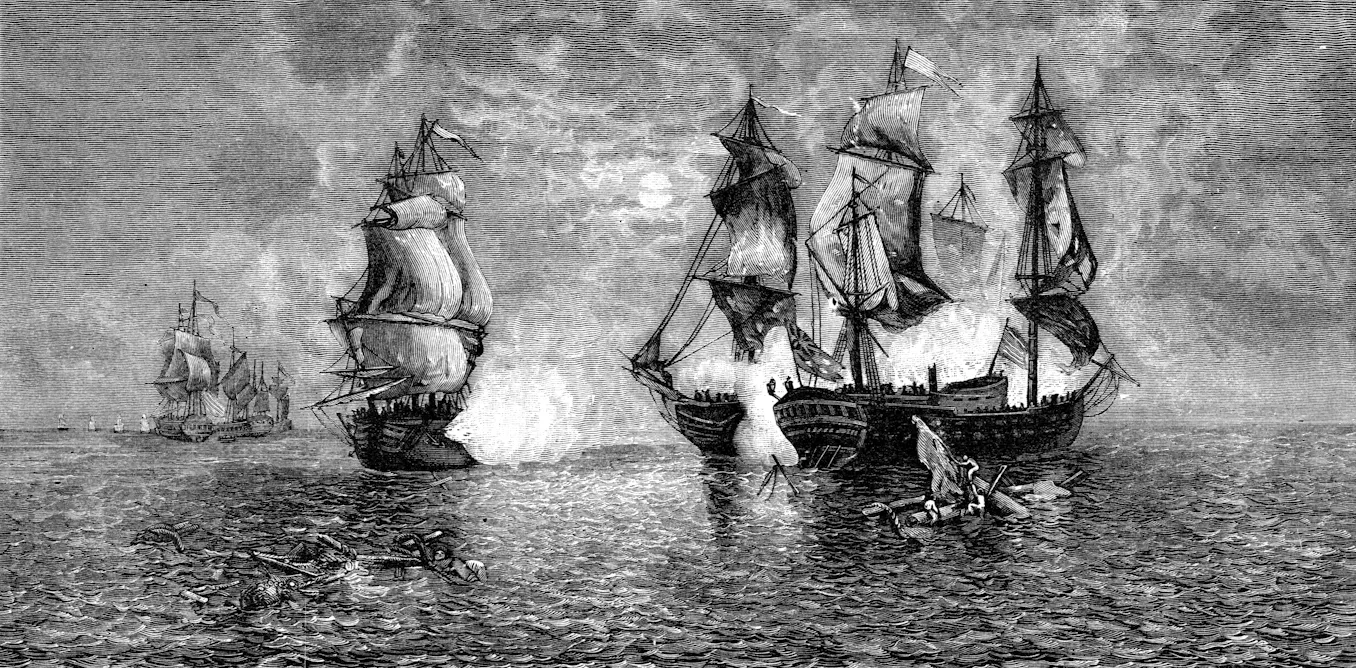
The displaced mariners became radicalized by their economic hardship. Many joined the Continental Navy and served as crew members on privateering vessels that harassed British merchant ships. Their maritime expertise proved invaluable. These experienced sailors understood ocean navigation, naval tactics, and ship handling in ways that landlubbers could never master. They transformed Washington's nascent navy from an untrained militia into a fighting force capable of disrupting British supply lines and commerce.
The privateers, operating with government letters of marque, captured hundreds of British vessels carrying supplies and war materials. This commerce raiding weakened Britain's ability to sustain its war effort while enriching the colonial cause through prize money and seized cargo. The fishermen's knowledge of Atlantic currents, coastal geography, and evasion tactics made them effective raiders.
Beyond their direct military contributions, these unemployed fishermen swelled the ranks of the Continental Army. Desperate for income and motivated by economic grievance, thousands enlisted as soldiers. Their skills with logistics, supply chains, and resource management also benefited the revolutionary cause.
Britain's attempt to strangle colonial commerce through the fishing ban backfired spectacularly. The policy consolidated opposition to British rule, provided experienced military personnel to the Revolution, and