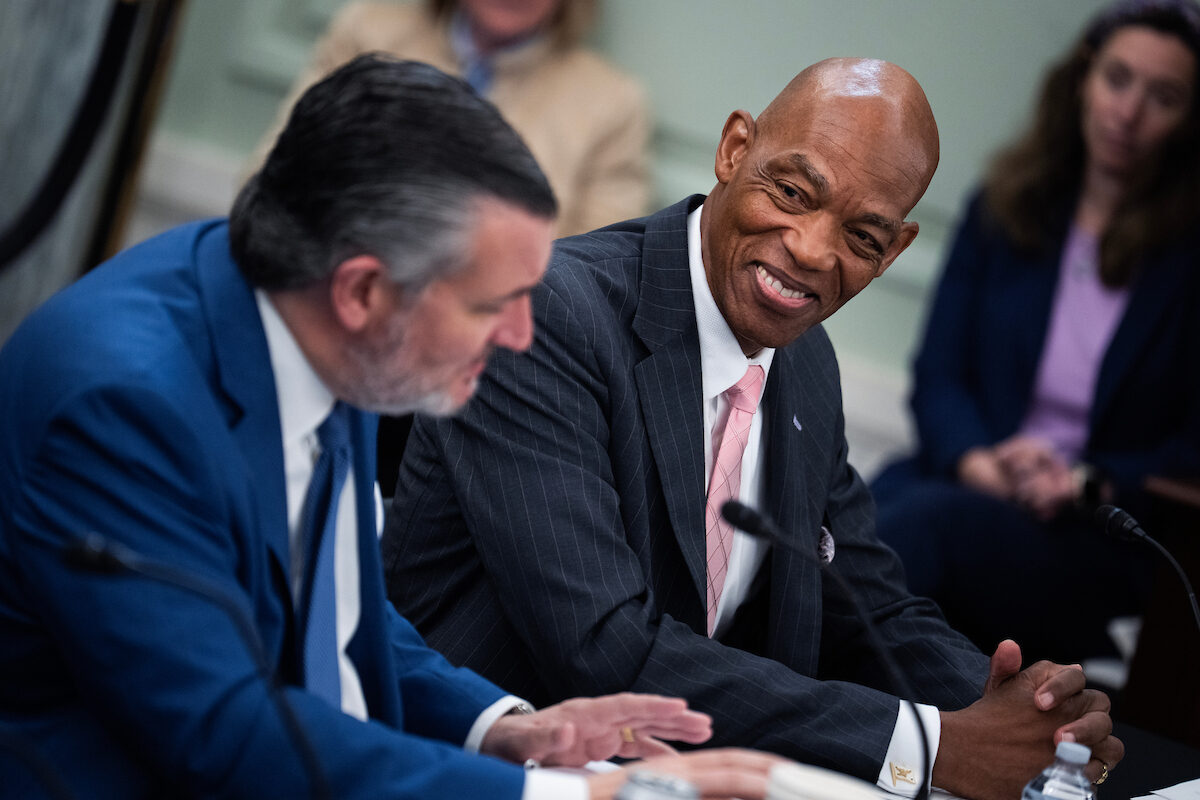
Senate Commerce Committee Chair Ted Cruz of Texas and ranking member Maria Cantwell of Washington are pitching their college sports overhaul bill to the Congressional Black Caucus, warning that inaction threatens the financial stability of historically Black colleges and universities.
Cruz and Cantwell, working across party lines, contend that federal legislation addressing college athletics is necessary to prevent HBCUs from losing revenue and to protect educational access for minority students. The bipartisan authors argue that the current regulatory vacuum surrounding college sports leaves smaller institutions vulnerable while larger, well-funded programs consolidate resources and recruit talent.
The pitch to the Black Caucus reflects a deliberate strategy to build political support for what would represent the first major federal intervention in college athletics governance. HBCUs have operated with tighter budgets than their larger counterparts, making them particularly dependent on athletics revenue. The Senate bill aims to establish uniform rules around name, image, and likeness deals and clarify the employment status of student-athletes, changes that proponents argue would level the playing field.
Cruz and Cantwell's bipartisan partnership on this issue is notable in a polarized Congress. Both lawmakers have signaled that 2024 is the target year for passing legislation. The committee leaders contend that without federal action, market forces will continue favoring Power Five conferences and well-endowed universities, leaving HBCUs and other smaller institutions further behind.
The Congressional Black Caucus holds significant influence over Democrats' legislative priorities and could prove decisive in generating momentum for the bill. Securing their backing would demonstrate that the overhaul addresses equity concerns, not just competitive balance among major programs.
The higher education community remains divided on the proposal. Some administrators support federal guardrails to prevent further concentration of athletic resources, while others worry about federal overreach into campus operations. The focus on HBCU financial security provides a framework for building a coalition beyond the