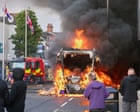
Belfast experienced multiple nights of violence this week, prompting politicians across Northern Ireland to issue repeated calls for calm. The unrest raises questions about what governance tools exist beyond rhetoric to arrest escalating street violence.
Political leaders from various parties have condemned the disturbances, but their appeals alone have failed to restore order. The violence reflects deeper tensions that routine political statements cannot address. Effective intervention requires coordination between police, community leaders, and elected officials at local and regional levels.
In parallel reporting from Makerfield, journalist Jessica Elgot canvassed undecided voters during the constituency's byelection campaign. Her doorstep conversations reveal voter sentiment across the electoral battleground. Makerfield voters face decisions on representation as the byelection unfolds, with candidates competing for a contested seat.
The podcast episode ties these two stories together. It explores whether political leadership can meaningfully reduce violence through communication strategies, while simultaneously tracking how voters assess candidates and policies during electoral contests. The juxtaposition underscores the tension between crisis management and routine democratic processes.
Northern Ireland's political establishment operates within a unique framework. Power-sharing arrangements between unionist and nationalist parties can create gridlock when cross-community consensus fails. Violence in Belfast tests whether that system can mobilize joint responses. Early indications suggest calls for calm, while necessary, remain insufficient without operational police presence and community-level intervention.
The Makerfield byelection occurs against this backdrop of instability elsewhere in the UK. Voters there weigh local issues against national political trends. Undecided voters will ultimately determine the outcome, making their perspectives central to understanding electoral dynamics heading into any general election.
This episode highlights two distinct challenges facing British politicians. One involves managing civil disorder in a sensitive post-conflict society. The other involves persuading swing voters in English constituencies. Both require more than rhetoric. Both demand sustained engagement from elected leaders willing to address