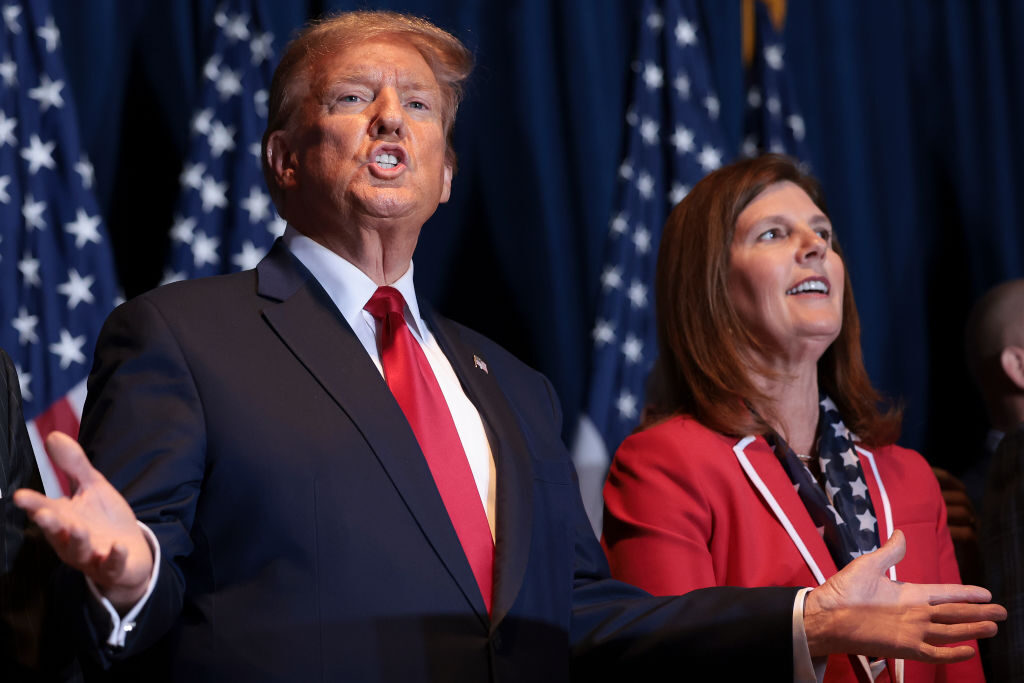
Donald Trump reasserted his dominance over Republican primary contests Tuesday, reversing momentum lost after his preferred gubernatorial candidate faltered in Iowa the previous week. Trump-endorsed House candidates secured victories in South Carolina and Nevada, demonstrating continued pull with GOP voters in competitive races.
South Carolina Senator Lindsey Graham defeated a conservative primary challenger, surviving an insurgent threat from the right. The Graham victory underscores Trump's capacity to protect establishment allies when he chooses to deploy his endorsement. His intervention in Senate races carries particular weight given his ability to energize the party base.
The wins marked a recalibration after Trump's Iowa setback, where his chosen gubernatorial candidate lost the Republican primary. That result prompted questions about whether Trump's endorsement carried diminishing returns in state-level contests. Tuesday's outcomes reset that narrative for federal races.
Trump's primary influence stems from his command of the Republican base. Candidates bearing his endorsement attract his supporters' enthusiasm and fundraising networks. Challengers face the burden of Trump's name recognition and the perception that opposing him means opposing the party's direction.
The pattern holds implications for the 2024 election cycle and beyond. As Republicans prepare for general election matchups, primary victors backed by Trump will likely carry his policy priorities and messaging into general campaigns. Senate and House races featuring Trump-endorsed nominees may shift GOP legislative agendas.
Graham's survival against a right-flank challenger illustrates a secondary dynamic. While Trump-backed insurgents have disrupted establishment Republicans in some contests, his willingness to defend allies like Graham shows strategic selectivity. He protects those deemed loyal while supporting primary challengers against those he deems insufficiently aligned.
The South Carolina and Nevada House victories expand Trump's footprint in the lower chamber. These representatives will enter Congress indebted to Trump's organizational support and voter mobilization efforts, potentially strengthening his informal leadership over GOP