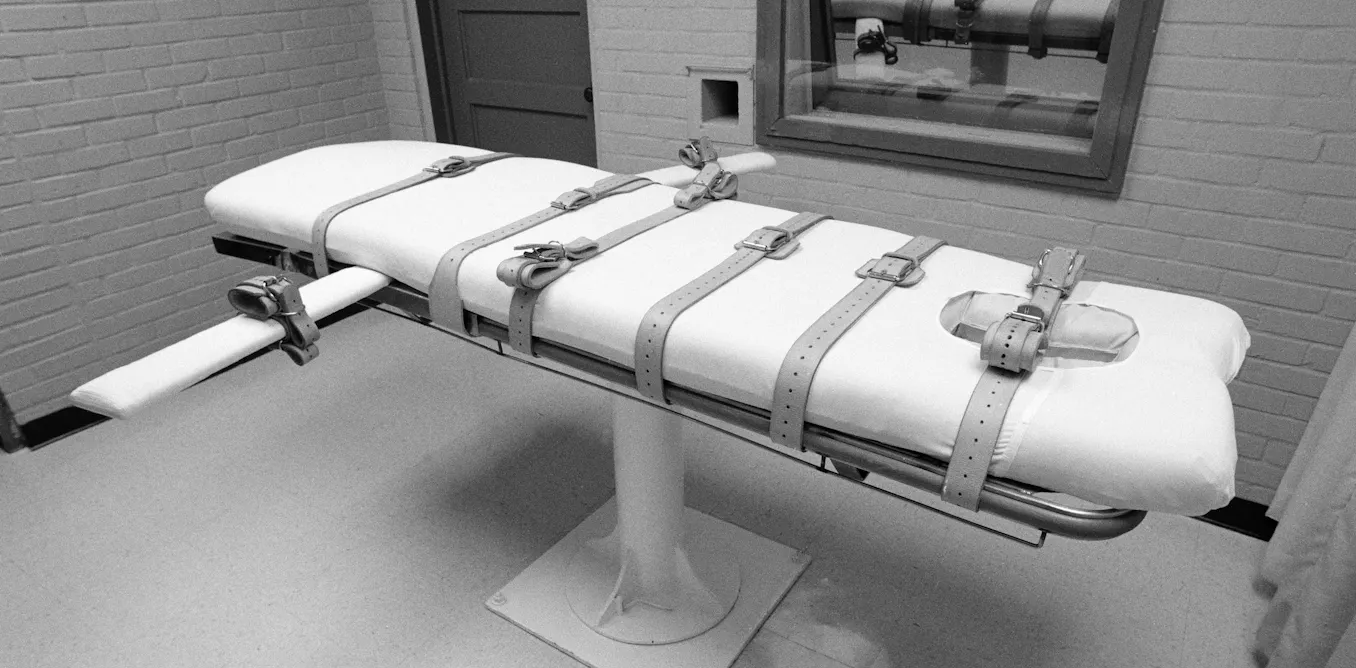
Tony Carruthers survived a botched lethal injection in Oklahoma in 2022, joining a small but growing group of death row inmates who have endured execution attempts that failed to kill them. The constitutional bar against cruel and unusual punishment, enshrined in the Eighth Amendment, has become the primary legal battleground for inmates challenging multiple execution attempts.
Despite the Eighth Amendment's protections, courts have consistently allowed states to retry executions after failed attempts. Carruthers' case exemplifies this pattern. After the initial execution attempt failed, Oklahoma proceeded with another execution, and Carruthers again survived. Legal challenges based on the cruel and unusual punishment clause have not prevented states from subjecting inmates to repeated lethal injection procedures.
The legal framework governing these situations remains contested. Courts acknowledge that executing someone is inherently a serious matter, yet they have declined to establish an absolute bar against repeat executions based on failed attempts. Instead, judges have adopted narrow interpretations of what constitutes cruel and unusual punishment in this context, often focusing on intent rather than the cumulative effect of multiple failed executions on the inmate.
Carruthers' case raises fundamental questions about execution methods and whether repeated attempts at lethal injection violate constitutional protections. The state's lethal injection protocol, which involves multiple drugs administered intravenously, requires precision. When execution teams fail to properly establish IV lines or administer drugs correctly, inmates can experience prolonged suffering.
The legal landscape offers little protection for inmates facing multiple execution attempts. Federal courts have rejected arguments that repeating the execution process after a failed attempt constitutes additional punishment beyond what was originally imposed. This deference to state authority over execution procedures has left inmates like Carruthers with limited remedies.
Oklahoma's handling of Carruthers' case reflects how states continue executing despite documented failures in their lethal injection protocols. The persistent gap between constitutional principles prohibiting cruel punishment