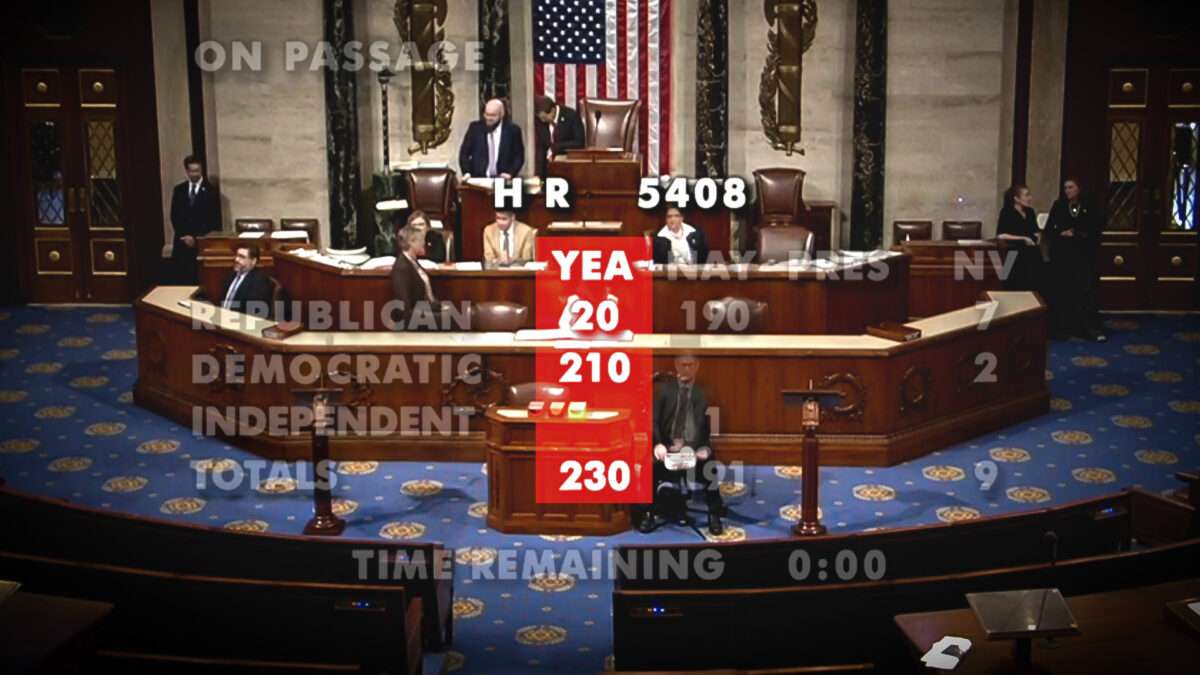
The House passed the Faster Labor Contracts Act, legislation Republicans framed as pro-worker reform that would actually strip workers of negotiating power, according to critics of the bill.
The measure accelerates union contract negotiations by imposing federal arbitration when labor talks stall. Under current law, workers retain the right to reject arbitrated agreements and continue negotiating or strike. The new bill removes that protection. Instead, federal arbitrators would impose binding contracts on workers whether unions accept them or not.
House Republicans, led by Speaker Mike Johnson's majority, positioned the legislation as streamlining a broken bargaining process. They argue extended negotiations harm both labor and management by creating uncertainty. The bill sets strict timelines for arbitration and prevents workers from rejecting imposed terms.
Labor unions oppose the measure fiercely. The AFL-CIO and affiliated unions warn the bill transfers decision-making authority from workers to government arbitrators. Workers lose leverage in negotiations when they cannot reject unfavorable terms. Union negotiators would bargain knowing federal arbitrators could impose worse outcomes than what management offers at the table.
The philosophical divide runs deep. Republicans see the bill as modernizing labor law and reducing costly deadlock. Democrats and union advocates see it as fundamentally reshaping labor relations to disadvantage workers. Contract ratification votes have long served as a worker safety valve. Unions argue workers should retain the final say on agreements affecting their wages, benefits, and working conditions.
The bill passed largely along party lines, with most Democrats opposing it. The measure now faces a Senate vote where Democrats hold more power to block passage. Labor organizations have signaled they will campaign against the bill and pressure senators to reject it.
The Faster Labor Contracts Act reflects broader Republican efforts to reshape labor law. Recent GOP proposals have targeted union organizing, worker classification, and strike rights. Democrats consistently frame these efforts as anti-worker despite Republican claims of promoting efficiency and reducing conflict