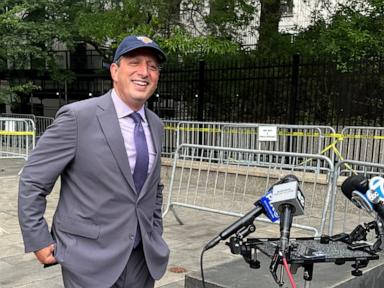
A federal magistrate judge acquitted Democratic congressional candidate Brad Lander of misdemeanor obstruction charges this week, clearing him of allegations tied to his participation in a New York City immigration court protest last September.
Lander, who is running for Congress in New York, was arrested during a demonstration at the federal building in lower Manhattan. Prosecutors charged him with obstructing government operations, but the judge found insufficient evidence to sustain the conviction. The acquittal removes a legal obstacle for Lander's campaign going forward.
The case centered on Lander's conduct during the protest, where immigration advocates gathered to oppose enforcement actions at the facility. Federal authorities arrested him alongside other demonstrators, marking a rare instance of a major-party congressional candidate facing criminal charges tied to civil disobedience. The misdemeanor carried potential jail time and fines.
The judge's decision reflects the difficulty prosecutors often face in securing convictions for obstruction charges at political protests, where distinguishing between protected First Amendment activity and criminal interference remains legally contested. Defense arguments typically emphasize that peaceful protest, even when disruptive, falls within constitutional protections. The prosecution must prove intent to interfere with government functions beyond mere presence at a demonstration.
Lander's team framed the acquittal as vindication. The candidate had maintained he was exercising his right to protest government immigration policies. His arrest generated attention within Democratic circles, particularly among immigration reform advocates who viewed him as standing in solidarity with their cause.
The case reflects broader tensions over protest tactics and criminal liability for elected officials and candidates. While some charge that such prosecutions chill free speech, others argue that blocking federal buildings crosses into criminal conduct. Lander's acquittal suggests at least this judge sided with the former interpretation.
With the legal matter resolved, Lander can campaign without the distraction of pending charges. Whether the arrest and subsequent court battle helped or