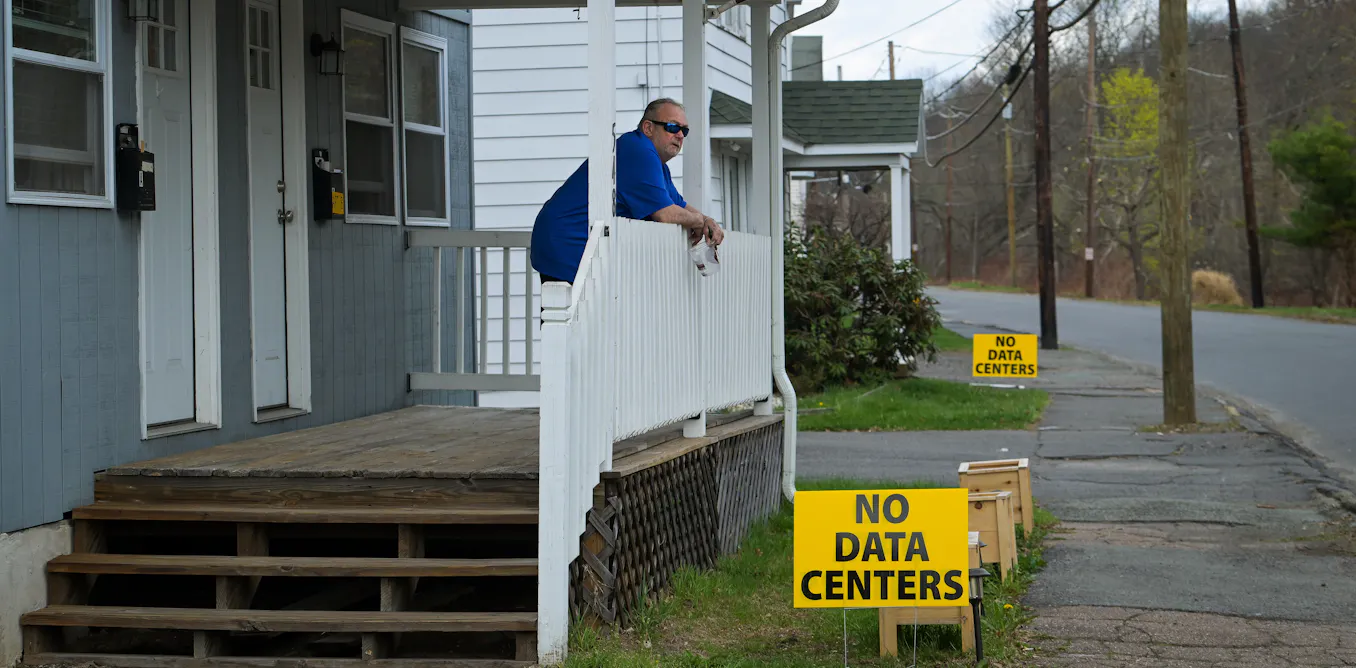
Pennsylvania communities are taking defensive action against a wave of proposed data centers, seeking local control over projects that could reshape their infrastructure and finances.
Towns across the state are demanding environmental impact assessments and utility studies before approving these facilities. Residents worry about surging electricity demand, water consumption, noise pollution, and rising costs passed to ratepayers. Data centers require enormous amounts of power and cooling water, strains that smaller municipalities fear their systems cannot handle.
Local officials are implementing zoning restrictions and requiring detailed disclosure before granting permits. Some communities have blocked projects outright. The pushback reflects growing tension between state economic development goals and local autonomy over land use decisions.
Pennsylvania's abundant hydroelectric power and cooling water make the state attractive to tech companies seeking to build data infrastructure. However, the concentrated environmental burden falls on individual towns, not distributed across the state. A single facility can consume as much electricity as a small city, creating cost spikes for neighboring residents and businesses.
The issue pits economic development against quality of life. Proponents argue data centers create jobs and tax revenue. Critics counter that long-term costs to communities far outweigh short-term gains. Local governments lack the resources to fully evaluate complex engineering proposals and negotiate with well-funded tech companies.
Pennsylvania has no statewide data center policy, leaving decisions to municipalities. This fragmentation creates opportunities for communities to protect themselves but also produces inconsistent outcomes. Towns with strong environmental oversight block projects. Others approve facilities with minimal review.
The dispute exposes a broader governance question. Should individual communities control industrial development within their borders, or should state policy guide these decisions uniformly? Pennsylvania residents want answers before massive data centers reshape their power grids and water systems.