# Civil Rights Conspiracy Theories Still Shape Modern Politics
Conspiracy theories born from racial violence during the civil rights movement remain embedded in contemporary political discourse about equality. Segregationists in the 1960s developed narratives to undermine civil rights advocates, creating a rhetorical playbook that persists today.
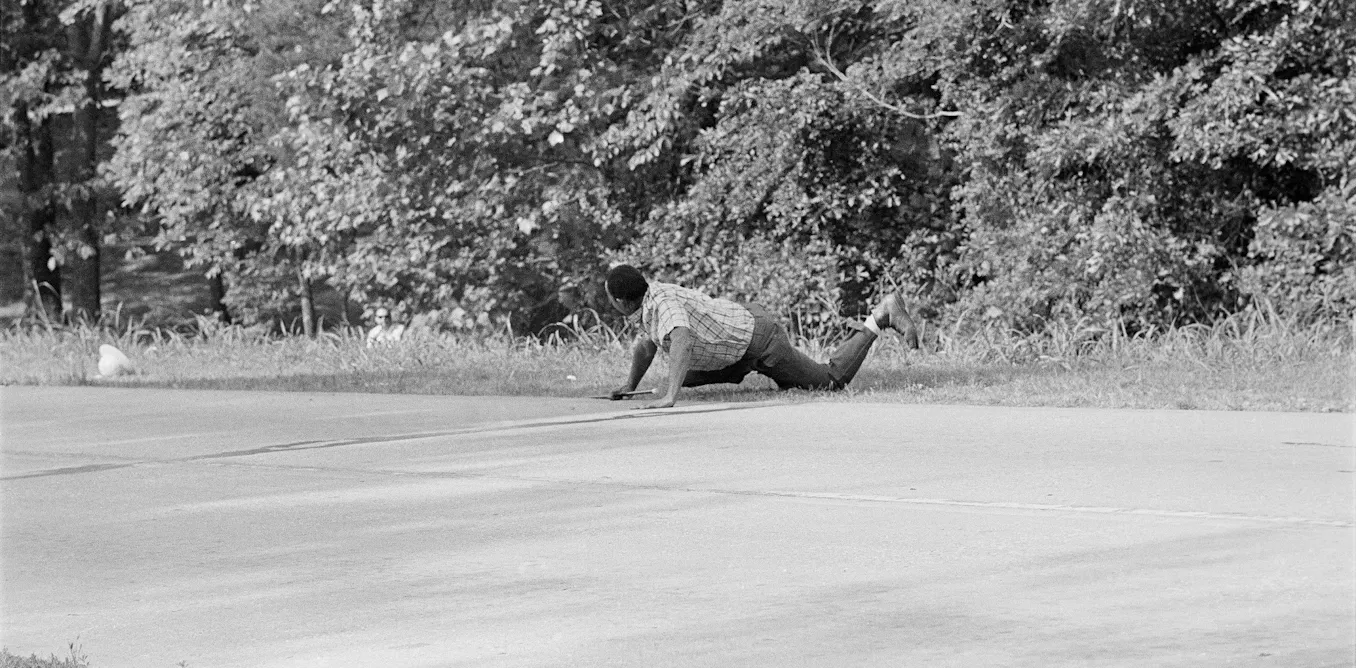
The article traces how false theories surrounding a specific shooting incident six decades ago established patterns of denying racial injustice and attacking those who documented it. Segregationists rejected factual accounts of violence and instead promoted alternative explanations that blamed civil rights activists themselves. This strategy of deflection and counter-accusation became foundational to political opposition against equality measures.
Today's resistance to racial progress mirrors these historical tactics. Modern opponents of civil rights initiatives employ similar conspiracy narratives, questioning the legitimacy of racial justice movements and attributing activism to external manipulation rather than genuine grievance. The rhetorical DNA connecting 1960s segregationists to contemporary political actors reveals how misinformation campaigns operate across decades.
This continuity matters for understanding current political polarization. When politicians and media figures promote unsubstantiated claims about civil rights movements, they draw from a deep well of conspiratorial thinking developed to defend segregation. The specific claim about who caused violence, who benefits from chaos, and whose accounts to trust follow templates established during the civil rights era.
The persistence of these narratives demonstrates how conspiracy theories function as political tools rather than isolated false claims. They serve to delegitimize movements for equality and justify resistance to policy changes. Understanding this historical trajectory exposes how modern opposition to racial justice often relies on rhetorical strategies refined through decades of use, making clear that combating contemporary misinformation requires recognizing its roots in segregationist propaganda.