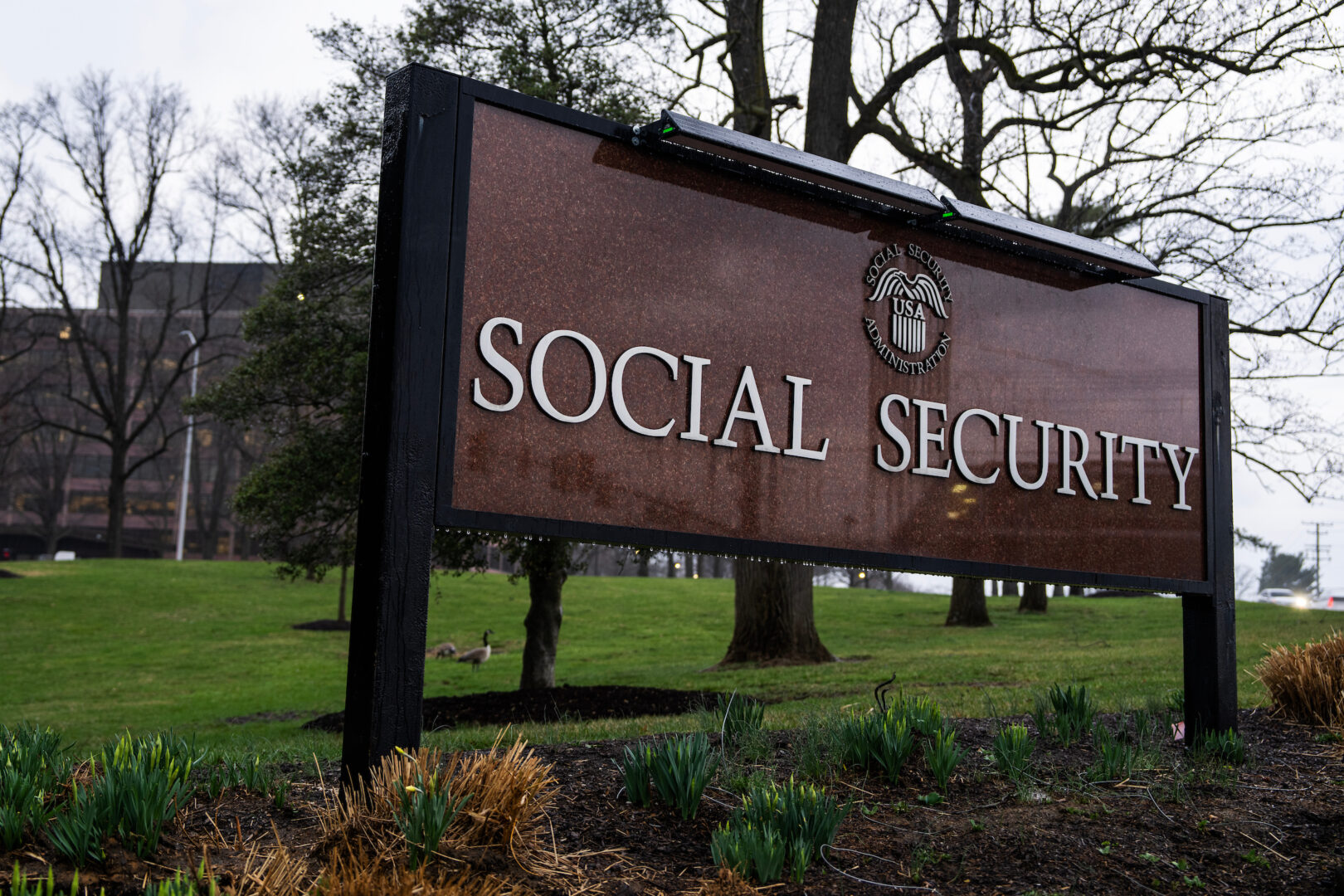
The trustees of Social Security and Medicare released annual reports Tuesday showing both programs face accelerating fiscal pressure. The Social Security trust fund's depletion date has moved up three months to the fourth quarter of 2032, signaling the deteriorating financial trajectory of the nation's largest social insurance program.
The trustees' findings underscore mounting challenges for Congress and the White House. Social Security trustees project the main trust fund will exhaust its reserves nine years from now unless lawmakers act. Once depleted, the program would collect payroll taxes insufficient to pay full scheduled benefits, forcing automatic benefit cuts of roughly 20 percent unless Congress intervenes with legislative reforms.
Medicare faces parallel pressures. The Hospital Insurance Trust Fund, which covers inpatient care, confronts its own insolvency timeline. Both programs depend on demographic shifts and rising healthcare costs that strain their financing structures. An aging population means fewer workers contribute payroll taxes relative to the number of beneficiaries drawing benefits.
The trustees report provides fresh ammunition for debates already brewing in Congress over entitlement reform. Republicans and Democrats disagree sharply on solutions. Some Republicans advocate raising the retirement age or means-testing benefits for wealthier seniors. Democrats typically resist benefit cuts and instead propose raising or eliminating the payroll tax cap, currently set at $168,600 in annual earnings, which would increase revenue from higher earners.
The shortened timeline compounds political urgency. The 2032 depletion date falls within the window when current young workers approach retirement, making the issue viscerally real for millions of voters. Neither party has shown appetite for comprehensive reform during recent election cycles, preferring to punt the issue to future administrations.
President Biden and Congressional leaders have largely sidestepped detailed entitlement discussions, focusing instead on tax policy and spending priorities. Republican-controlled House committees have begun exploring various reform proposals, but no unified GOP plan has emerged.
The trustees