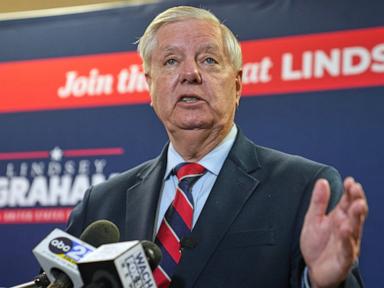
South Carolina Republicans face a critical juncture as they attempt to extend their dominance in statewide elections, with U.S. Senator Lindsey Graham pursuing a fifth term in a race that will test GOP strength in the traditionally red state.
Graham, a three-term senator and prominent Trump ally, enters the race as the clear frontrunner. His reelection campaign benefits from strong name recognition and substantial fundraising advantages typical of incumbents. The Republican primary will determine whether Graham faces a serious challenger from the party's conservative wing, though no announced major opponent has emerged with comparable resources or standing.
Simultaneously, South Carolina voters are engaging in a gubernatorial primary after Governor Henry McMaster declined to seek reelection. The Republican field for governor remains fluid, with multiple candidates competing to succeed McMaster and maintain GOP control of the statehouse. Democrats will field their own slate of candidates in races for both positions, though the party operates from significant structural disadvantages in a state where Republicans have won every statewide race since 2008.
The Senate and gubernatorial contests carry implications beyond South Carolina's borders. Graham's seat remains a valuable target for national Democrats seeking to expand their Senate majority, though recent polling suggests the incumbent maintains solid advantages. Any competitive gubernatorial primary could consume resources and generate divisions within the state party apparatus at a moment when Republicans typically benefit from unity.
Political analysts view these races as barometers for Republican strength in the Southeast heading into the general election cycle. South Carolina's shift toward the GOP in recent decades has made it a reliable red state, but demographic changes and voting pattern shifts elsewhere in the region have sharpened focus on whether Republican dominance continues in the Palmetto State.
The primary calendar will shape candidate strategies and resource allocation across multiple campaigns. Graham's fifth-term bid reflects confidence in his political position, while the open gubernatorial race signals potential opportunity for fresh leadership within the state GOP.