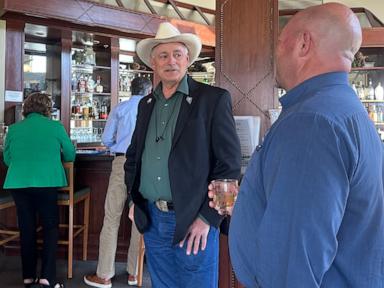
Nevada voters face two high-stakes contests that will reshape the state's political landscape heading into the general election cycle.
Republicans in Nevada's open House seat primary are selecting among multiple candidates to fill a vacant position, with the winner positioned to compete in what analysts expect to be a fiercely contested general election. The GOP primary reflects broader national patterns as Republicans seek to defend and expand their congressional footprint in a state that has emerged as a genuine battleground.
On the Democratic side, the gubernatorial primary determines which candidate will challenge the Republican incumbent governor in November. The Democratic field represents differing visions for the party's direction in Nevada, from economic policy to education and healthcare. The winner will face significant pressure to mobilize Nevada's Democratic base, which has powered victories in recent statewide races but remains vulnerable to shifting voter sentiment.
Both contests carry weight beyond Nevada's borders. Congressional seat flips directly affect the House balance of power in Washington, while gubernatorial races influence state-level policymaking and serve as early indicators of partisan momentum ahead of higher-profile elections. Nevada's status as a swing state amplifies the stakes for national parties watching these primaries as harbingers of broader electoral trends.
The races underscore Nevada's transformation from safely Republican territory to competitive ground where margins often determine outcomes. Control of the statehouse affects redistricting power, education funding, and economic development priorities. A Democratic governor could reshape state policy on taxes, labor, and environment. A Republican House gain would further complicate Democratic efforts to maintain legislative control nationally.
Turnout and voter engagement in these primaries offer early signals about enthusiasm levels for each party heading into the general election. Both Republicans and Democrats have invested resources in Nevada, recognizing the state's role as a potential deciding factor in close national races. The primary outcomes will clarify which candidates can build winning coalitions and which messaging strategies resonate with Nevada voters concerned about jobs, housing costs,