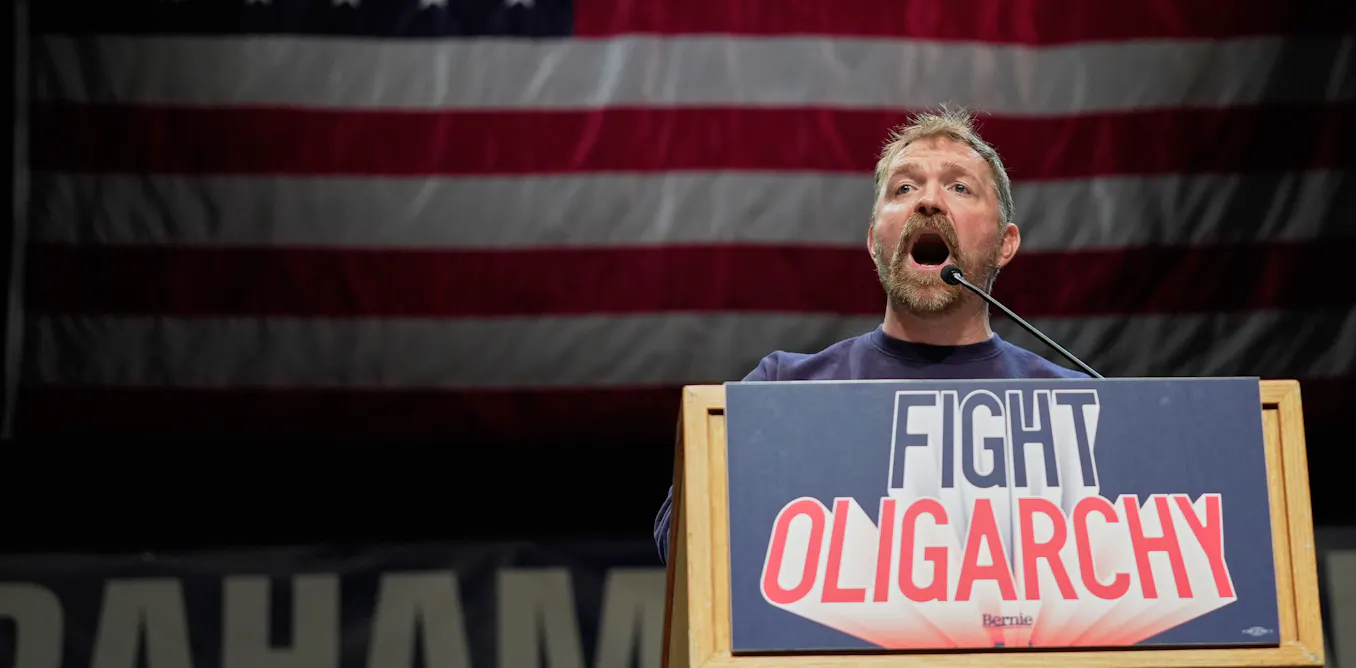
Democrats have lost ground with working-class voters by forcing them into ideological boxes rather than listening to their actual concerns, according to analysis of the party's electoral struggles.
The disconnect stems from how Democratic candidates deploy class-war rhetoric that prioritizes progressive policy priorities over the specific needs of working Americans. Rural and working-class communities report feeling pigeonholed into a predetermined progressive agenda instead of having their diverse concerns addressed directly.
This framing problem has concrete electoral consequences. Working-class voters, particularly in rural areas, have shifted decisively toward Republicans in recent election cycles. Democrats attributed these losses to cultural issues or misinformation, but the real problem runs deeper. When candidates talk about class, they often speak through a progressive lens that assumes working-class voters want the same policies and share the same worldview as college-educated urban Democrats.
The gap widens because working-class communities have varied priorities. Some prioritize economic security and job creation in specific industries. Others care about gun rights, religious freedom, or community stability. Many hold views that don't fit neatly into either party's platform.
Democratic messaging frequently treats class as a vehicle for advancing environmental regulations, labor union power, or wealth redistribution. These policies may benefit some working-class constituencies. But when candidates lead with ideology rather than listening to what workers actually want, the approach backfires.
Republicans have capitalized on this opening by directly engaging working-class concerns without demanding ideological conformity. Whether their solutions actually work matters less than the fact that they ask working-class voters what they want before proposing answers.
For Democrats to rebuild support among working-class voters, they need to abandon the assumption that class-war rhetoric automatically translates to working-class loyalty. Instead, they must engage these communities on their own terms, acknowledge that working-class voters hold diverse views, and develop targeted solutions rather than one-size-fits-all progressive packages.