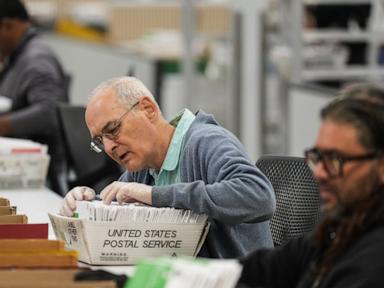
California's sluggish vote counting process has become a lightning rod for criticism following the state's primary election. Days after polls closed, voters still await results in marquee races including the gubernatorial contest and the Los Angeles mayoral election.
The delayed tallies stem from California's reliance on mail-in ballots and the state's requirement to verify voter signatures on envelopes before processing ballots. Election officials must also cure ballots with mismatched signatures or other technical issues, a process that extends the counting timeline significantly. The state counts ballots in waves, releasing results incrementally rather than all at once.
This methodical approach has fueled criticism from observers who view the extended count as problematic for election confidence. Some politicians and commentators have seized on the delays to raise questions about election integrity, despite elections officials and observers confirming that California's processes are secure and produce accurate results.
Critics point out that other states complete their counts faster. Texas, for example, concludes counting on election night in most cases. California officials counter that speed and security represent different priorities. They argue that careful signature verification and ballot curing processes protect voter intent and election integrity, even if those safeguards require more time.
Election security experts have repeatedly debunked claims that slow counting indicates rigged elections. The delays reflect deliberate procedural choices designed to catch errors and prevent fraud, not evidence of fraud itself. California's approach has withstood legal challenges and produced certified results that withstood recounts and audits.
The tension between speed and security continues to define California elections. State officials maintain their counting standards protect votes, while critics call for faster processes to satisfy voters seeking immediate answers. The debate reflects broader national disagreements over how to balance election efficiency with election confidence, even as data consistently shows California's system delivers accurate results.