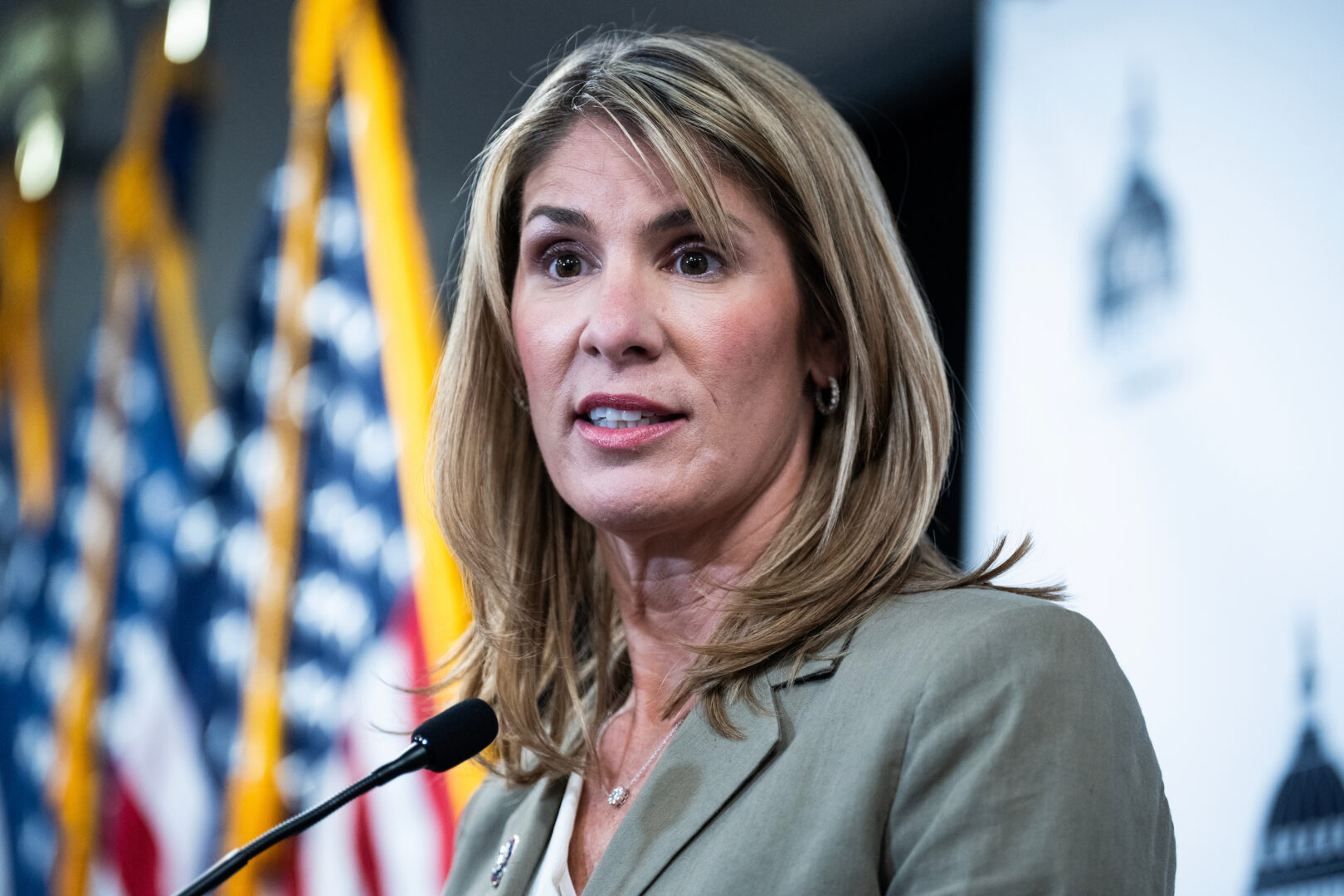
Representatives Jay Obernolte of California and Lori Trahan of Massachusetts introduced a bipartisan AI regulation framework Thursday that would temporarily block state laws governing AI development for three years. The discussion draft bill targets model safety and workforce impacts, adding another regulatory proposal to the crowded legislative landscape around artificial intelligence.
The three-year preemption provision represents a significant federal assertion over state authority. During this period, states would lose the ability to impose their own AI restrictions, giving Congress and federal regulators time to establish uniform national standards. This approach reflects a core tension in AI regulation. Technology companies and some lawmakers argue that fragmented state rules create compliance nightmares and slow innovation. Consumer advocates and worker protection groups counter that states should retain authority to protect their constituents.
Obernolte chairs the House Antitrust, Commercial, and Administrative Law Subcommittee and has established himself as a key player in tech regulation. Trahan represents a competitive district and brings Democratic credibility to bipartisan negotiations. Their collaboration signals that both parties view federal AI oversight as necessary, though disagreement persists on specifics like liability standards and enforcement mechanisms.
This framework joins competing proposals from Senate Majority Leader Chuck Schumer's "SAFE Innovation" framework and other congressional efforts. Each reflects different priorities. Some emphasize AI safety and testing requirements. Others focus on antitrust concerns or labor protection. The proliferation of drafts indicates Congress remains far from consensus on AI's proper regulation.
The preemption language will face scrutiny from states that have already begun regulating AI. Colorado, California, and others have passed or proposed rules on algorithmic bias, algorithmic discrimination in hiring, and data privacy. A three-year federal freeze would halt these efforts and defer state innovation in regulation.
The bill's focus on both model safety and workforce impacts attempts to bridge different constituencies. Safety language appeals to those worried about