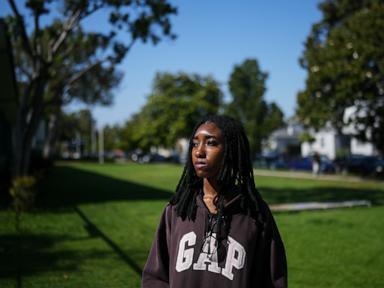
The Trump administration's Education Department is rolling back enforcement of civil rights protections designed to address educational inequities affecting Black students. This shift reflects a broader policy direction that frames efforts to remedy racial disparities as reverse discrimination against white students.
The department has signaled it will deprioritize investigations into systemic discrimination in schools serving predominantly Black communities. This includes cases involving discipline disparities, segregation, and unequal resource allocation. Officials argue these initiatives conflict with a colorblind approach to education law and constitute illegal discrimination.
The move reverses Biden-era priorities that expanded civil rights enforcement. The previous administration had directed investigators to examine patterns of harm affecting students of color, particularly in areas like special education referrals, school discipline, and access to advanced programs.
Trump's Education Department contends that race-conscious remedies violate Title VI of the Civil Rights Act of 1964, which prohibits discrimination based on race in federally funded programs. This legal interpretation aligns with recent Supreme Court decisions limiting affirmative action and race-conscious policies in higher education.
Education Secretary Linda McMahon and her team have emphasized they will enforce civil rights laws equally for all students. They frame this stance as protecting all Americans from discrimination rather than abandoning protections for students of color.
Civil rights advocates warn this approach ignores documented disparities. Black students face higher suspension rates, receive fewer advanced program placements, and attend schools with fewer resources than white peers in many districts. They argue that colorblind enforcement fails to address root causes of inequality.
The change affects how the Office for Civil Rights investigates complaints and allocates resources. Schools previously under pressure to address discipline gaps and segregation will face reduced oversight. This fundamentally alters how federal education law addresses systemic racial inequities that have persisted for decades.
The policy shift carries political weight heading into 2026 midterms, representing a core divide between how