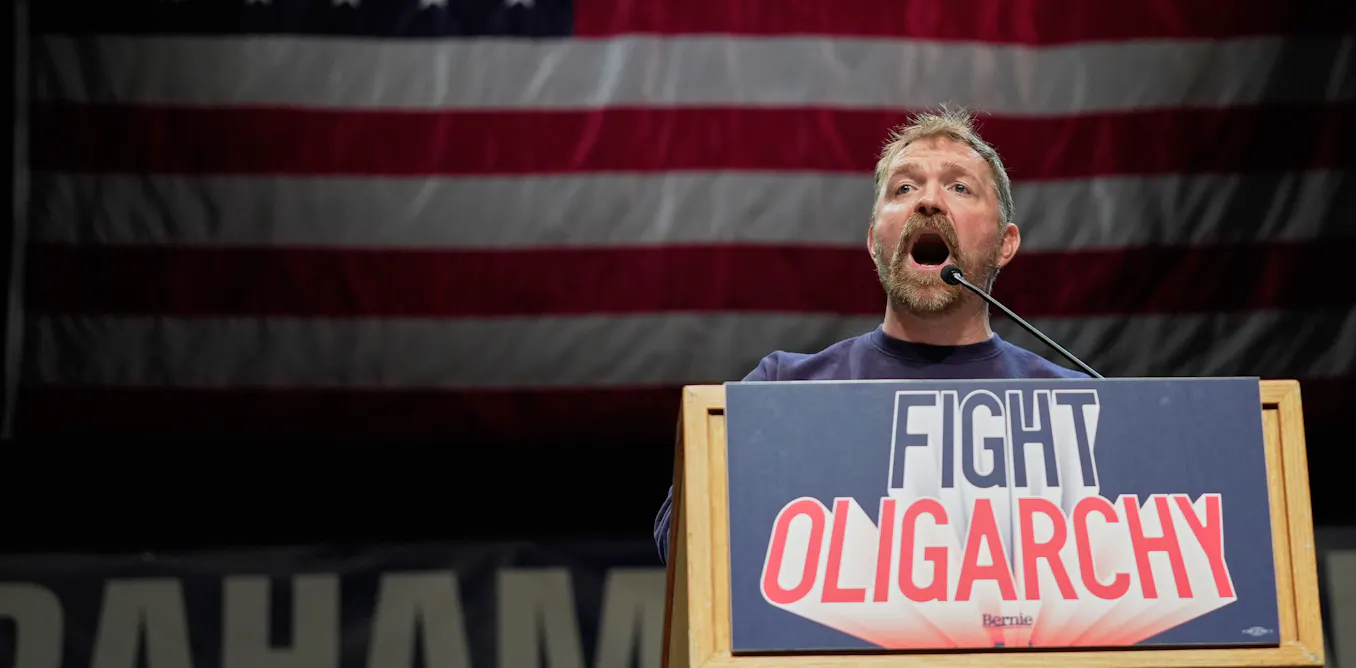
Democratic candidates rely on class-based messaging that fails to resonate with working-class voters, according to analysis of the party's political strategy. The disconnect stems from how Democratic rhetoric frames economic issues through a progressive lens that doesn't match the actual priorities and values of workers outside urban centers.
The framing problem centers on how Democrats talk about class. Rather than engaging workers on their specific concerns, Democratic campaigns often deploy what experts call "class-war rhetoric" that pushes voters toward predetermined policy positions rooted in progressive ideology. This approach treats working-class communities as monolithic groups that should adopt the full Democratic agenda, rather than recognizing the diverse interests within these populations.
Rural and working-class voters have increasingly shifted toward Republican candidates in recent election cycles. Democrats struggle to understand why their economic messaging fails to convert these voters, even when policies theoretically benefit them. The answer lies in the gap between how Democrats frame their solutions and how working-class voters actually perceive their own needs and identities.
The language matters enormously. When Democratic candidates emphasize class conflict or frame issues through progressive social theory, working-class voters often feel talked down to or misunderstood. These voters may prioritize issues differently than urban progressives do. A rural worker might care more about local economic conditions and stability than about broader wealth redistribution arguments. A manufacturing town resident might have different priorities than a college-educated urbanite.
Democrats essentially force working-class voters to choose between accepting a complete ideological package or rejecting the party entirely. This all-or-nothing approach leaves little room for voters with mixed views, or those who hold conservative positions on some issues while supporting Democratic economic policies on others. The result has been a steady erosion of working-class support that Democratic analysts have struggled to reverse through their current messaging strategy.