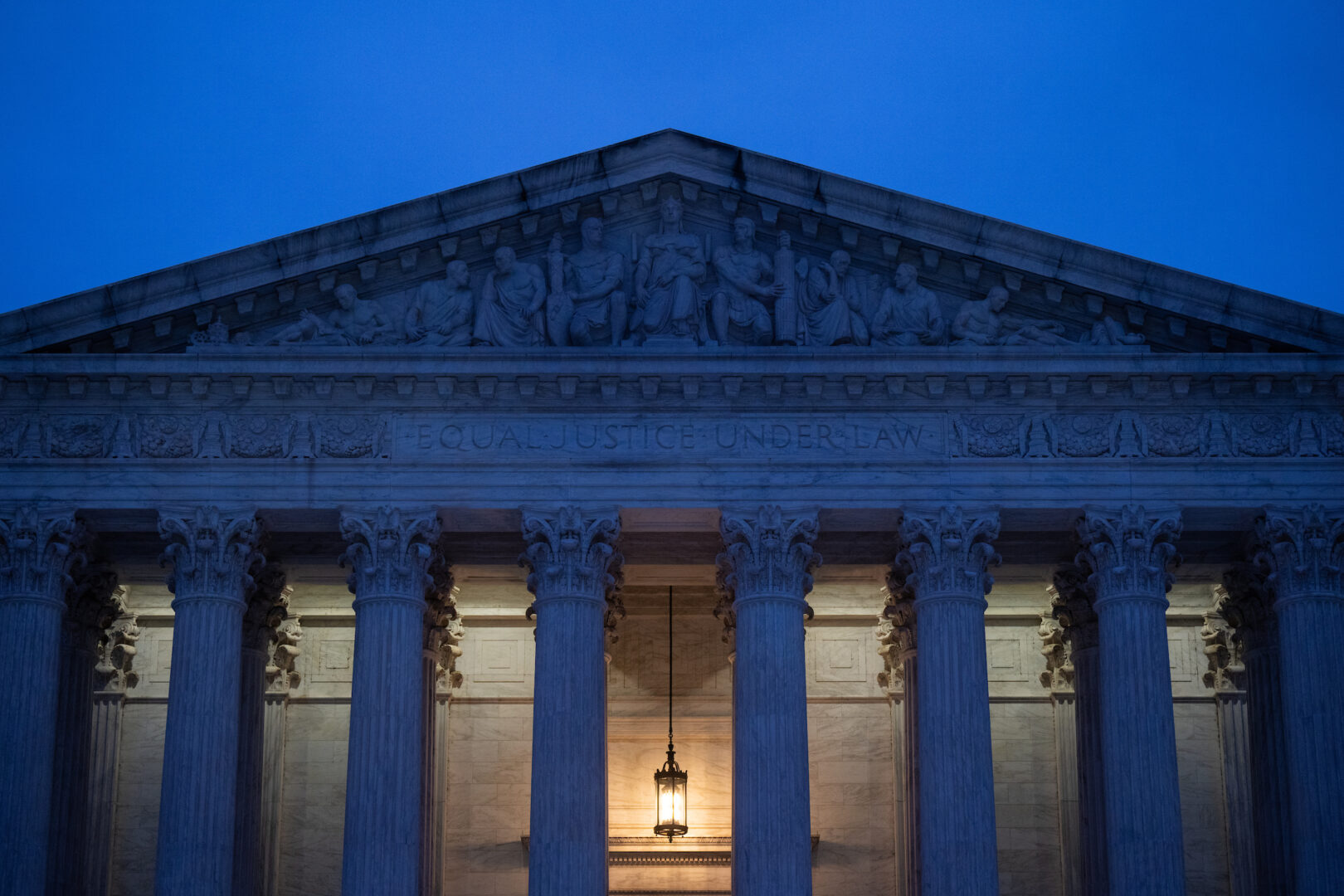
The Supreme Court's conservative majority cleared the path for Alabama to implement a controversial congressional map that a lower court had found likely violated the Constitution. The unsigned order issued Tuesday evening temporarily halted a federal court's blocking decision, allowing the state to proceed with the map it first adopted in 2023.
A three-judge panel had twice blocked the map, concluding it likely violated the Voting Rights Act by diluting Black voters' electoral power. Alabama's map concentrates Black voters into fewer districts, reducing their influence in surrounding seats. The lower court found this arrangement probably amounted to illegal racial gerrymandering designed to benefit Republican candidates.
Alabama pushed aggressively to deploy the map before the 2024 elections, with state officials arguing they needed finality for campaign purposes. The Supreme Court's decision to intervene without hearing full arguments signals the conservative justices' skepticism toward the lower court's reasoning or a willingness to prioritize election timing over constitutional concerns.
This ruling extends a pattern from the Roberts Court majority. In recent years, the conservative bloc has substantially weakened the Voting Rights Act's Section 5 preclearance requirement and shown deference to state legislatures on redistricting matters. The Alabama case presents a direct conflict between voting rights protections and partisan map-drawing.
The court's action does not settle the underlying constitutional question. The full case remains pending, and the lower court's ultimate ruling could still invalidate the map. However, allowing its use now for the 2024 election cycle creates practical complications if courts later order a new map for subsequent elections.
Civil rights groups and voting rights advocates condemned the decision as undermining protections for minority voters. They argue the map exemplifies how states can pack and crack Black voting strength while courts move slowly on whether such tactics violate federal law.
The case reflects broader conflict over voting rights enforcement in a court that has progressively narrowed such protections