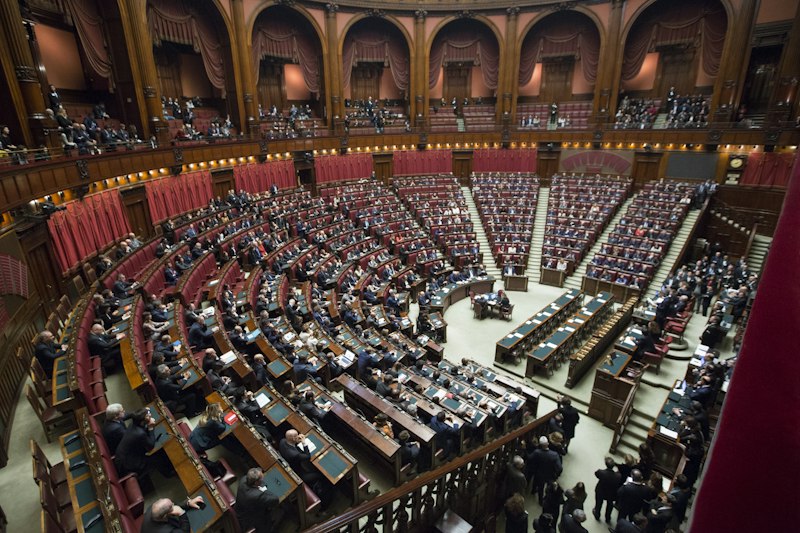
Secretary of State Marco Rubio testified before Congress during budget hearings this week, fielding sharp questions about the administration's strategy in Iran and the domestic fallout from military operations in the region.
Lawmakers pressed Rubio on two fronts. First, they demanded clarity on how the conflict will conclude and what benchmarks define success. Second, they raised constituent concerns about gas prices, which have spiked due to regional instability and disruptions to global energy supplies.
Rubio, appointed by President Donald Trump, defended the administration's approach while acknowledging the strain on American households. He stressed that military operations target Iranian threats to U.S. interests but stopped short of outlining a specific exit strategy or timeline for de-escalation.
Republicans largely supported Rubio's testimony, framing the Iran operations as necessary to protect American forces and allies. Democrats challenged the cost-benefit analysis, questioning whether the military engagement justifies the economic pain at the pump and whether diplomatic channels remain open.
The hearing reflects deep divisions over Middle East policy. While both parties support confronting Iran's nuclear ambitions and regional proxy activities, they disagree sharply on tactics. Republicans favor pressure and military readiness. Democrats emphasize negotiation and warn that escalation could drag the U.S. into a prolonged conflict.
Rubio's appearance marks an ongoing pattern of Trump administration officials explaining military decisions to a skeptical Congress. Budget constraints and competing priorities make Iran policy increasingly contentious. Lawmakers worry about funding commitments for an open-ended conflict while constituents grow weary of gas pump pain.
The testimony offered few new policy announcements. Rubio reiterated existing talking points about protecting American interests but gave no timeline for when Americans should expect gas prices to stabilize. That ambiguity likely ensures more congressional scrutiny ahead.