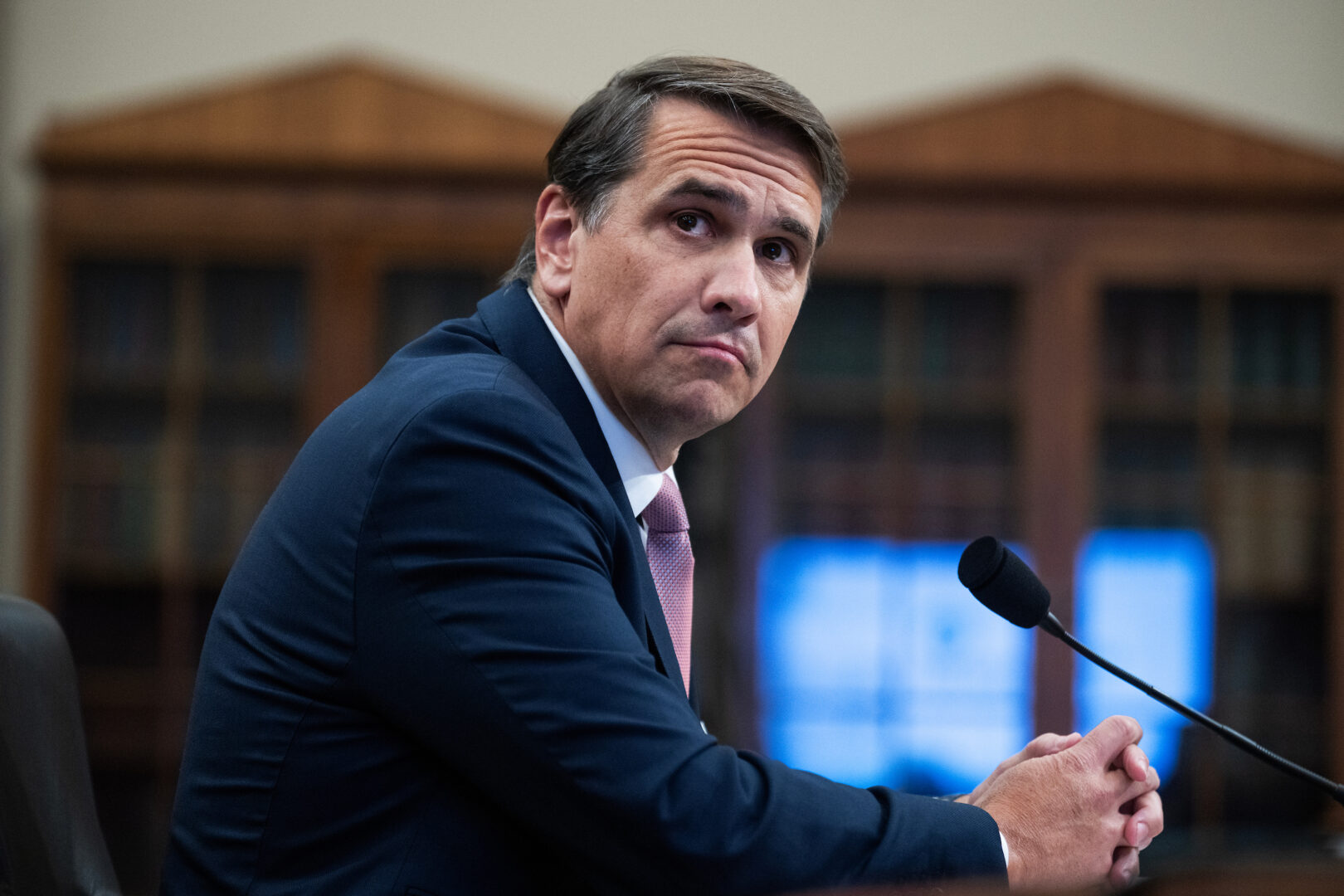
Acting Attorney General Todd Blanche announced Tuesday that the Justice Department is abandoning its $1.8 billion "anti-weaponization fund" following bipartisan congressional opposition. Blanche told lawmakers the initiative will not proceed, reversing course after facing criticism that the fund would operate as a slush fund to redirect money toward politically motivated investigations.
The proposal had drawn fire from both Republicans and Democrats on Capitol Hill. Critics argued the fund lacked sufficient oversight and could enable the department to pursue selective prosecutions based on political considerations rather than legal merit. The term "anti-weaponization" itself became controversial, with lawmakers questioning what specific problems the fund would address and how the Justice Department would allocate the resources.
The reversal reflects the political sensitivity surrounding the Justice Department's independence and its relationship with the White House. The Trump administration, which Blanche serves in as acting attorney general, has emphasized concerns about past politicization of federal law enforcement. However, the proposed fund sparked concern that it could be used for precisely the kind of selective prosecution that critics say undermines the department's institutional credibility.
Blanche's decision to drop the initiative represents a tactical retreat by the Justice Department. The announcement came after mounting pressure from Capitol Hill, where lawmakers across party lines expressed skepticism about the fund's purpose and structure. Neither chamber showed enthusiasm for the proposal, and the bipartisan pushback made clear that Congress would not appropriate funds for an initiative lacking transparency and clear guardrails.
The episode illustrates the ongoing debate over Justice Department independence and accountability. While the Trump administration has campaigned against what it characterizes as past weaponization of federal law enforcement, the failed $1.8 billion initiative demonstrates the limits of executive authority when Congress expresses unified opposition. The scrapping of the fund suggests the administration will pursue its law enforcement agenda through existing departmental structures rather than new, controversial funding mechanisms.