# The World Cup and Human Trafficking: Evidence Gaps in Prevention Efforts
Public awareness campaigns linking the World Cup to human trafficking lack solid research backing, according to analysis of prevention efforts around major sporting events.
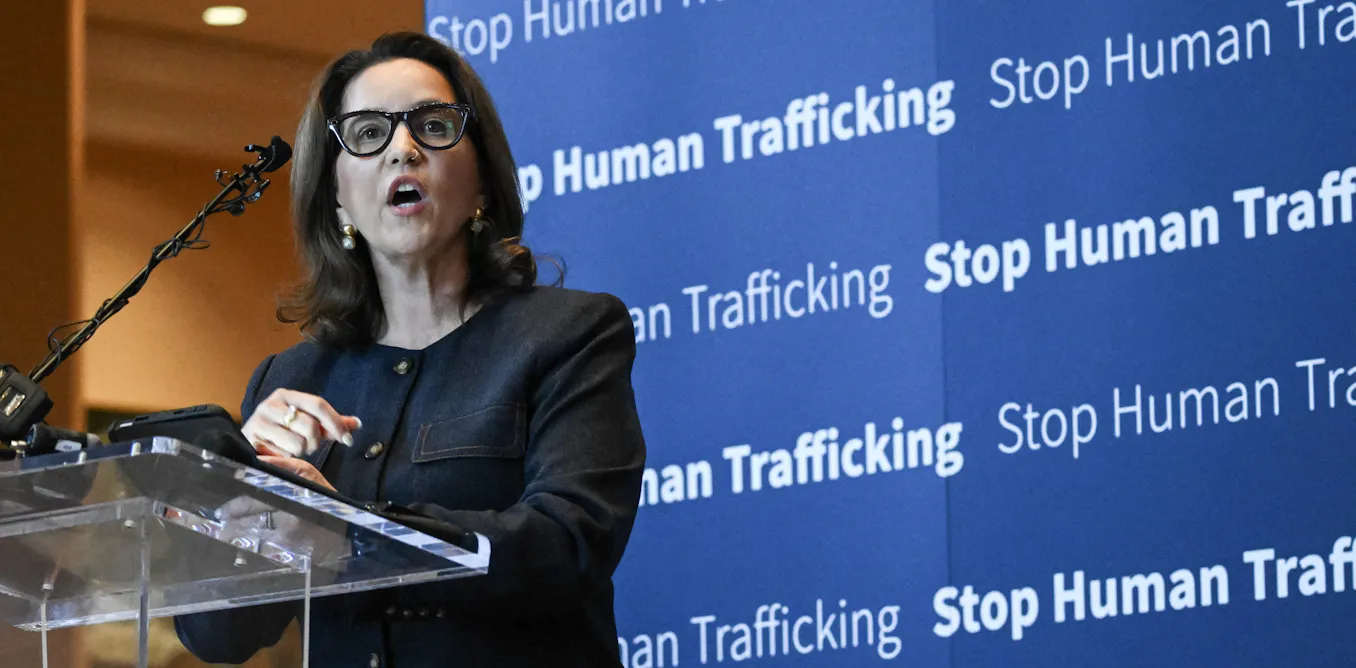
Authorities and advocacy groups regularly launch public awareness initiatives during large tournaments, warning about increased trafficking risks. These campaigns assume that major sporting events create spike in human trafficking activity. Yet researchers have found limited empirical evidence to support this connection.
The gap between assumption and evidence matters for policy. Resources devoted to awareness campaigns during World Cup tournaments may not target the actual mechanisms that drive trafficking. When campaigns rest on anecdotal claims rather than data, they risk misdirecting anti-trafficking efforts away from proven interventions.
Studies examining trafficking patterns before, during, and after major sporting events show mixed results. Some research finds no measurable increase in trafficking incidents during tournaments. Other studies show trafficking networks operate regardless of sporting calendars, exploiting vulnerabilities that exist year-round rather than spiking during specific events.
The disconnect between perception and reality reflects a broader challenge in anti-trafficking work. Well-intentioned awareness campaigns often assume that publicizing risks deters potential traffickers or helps victims identify exploitation. But evidence on whether such messaging actually reduces trafficking remains inconclusive.
Experts argue for reorienting prevention efforts toward interventions with demonstrated effectiveness. This includes addressing root causes like poverty and discrimination, strengthening labor protections, and improving victim support services. These approaches operate independent of sporting events.
The World Cup presents an opportunity to examine what actually works in anti-trafficking efforts rather than defaulting to awareness campaigns. Resources prove more effective when directed at proven strategies backed by rigorous research rather than intuitive assumptions about when trafficking occurs.