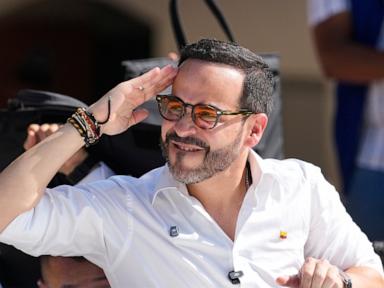
Colombia held a presidential election Sunday in which voters selected a successor to incumbent President Gustavo Petro. The vote took place under heavy security, with armed guards and police positioned at polling stations across the country.
Two candidates advanced to a runoff round. Iván Cepeda and Abelardo de la Espriella emerged as the top finishers and will face off in the second round of voting. The specifics of their platforms and vote totals were not detailed in available reporting.
The election represents a critical moment for Colombia's governance. Petro, who took office in 2022 as Colombia's first leftist president, has pursued an ambitious agenda centered on peace negotiations with armed groups, economic reform, and environmental protection. His successor will inherit ongoing challenges including gang violence, coca cultivation, and deep economic divisions within the country.
The presence of security forces at polling stations reflects Colombia's persistent struggle with organized crime and violence tied to drug trafficking networks. Multiple armed groups operate across Colombian territory, making elections inherently complex undertakings that require substantial law enforcement coordination.
The runoff between Cepeda and De la Espriella will determine Colombia's political direction for the next presidential term. Both candidates will now enter an intensive campaign phase to appeal to voters who supported other candidates in the first round. The second-round results will shape policy on everything from Petro's peace initiatives to fiscal policy and foreign relations in a region where the United States maintains significant strategic interests.