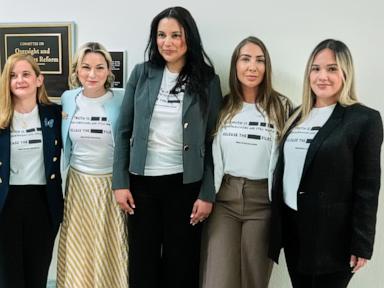
Congress has launched a bipartisan effort to investigate Jeffrey Epstein's sexual abuse network following sustained pressure from survivors and the public. Lawmakers from both parties have largely abandoned partisan divisions to pursue accountability in the case.
The investigation centers on how Epstein evaded prosecution for years despite credible allegations. Survivors have testified before congressional committees, detailing their abuse and demanding answers about why institutional failures allowed predatory behavior to continue. Their persistence has shifted the political calculus, forcing members of Congress to prioritize the investigation over typical party-line disagreements.
Congressional committees have examined connections between Epstein and powerful figures across business, law enforcement, and government. Lawmakers have sought documents, interviewed witnesses, and pushed for transparency about how the financier maintained his network with apparent impunity for decades.
The bipartisan nature of the effort reflects the deep revulsion at Epstein's crimes and the systemic breakdowns that enabled them. Democrats and Republicans have co-sponsored legislation aimed at strengthening oversight mechanisms and closing legal loopholes that allowed similar abusers to escape accountability.
However, survivors and their advocates remain skeptical about whether congressional inquiries will produce meaningful change. They point to past investigations that yielded reports but limited consequences for institutions or individuals who ignored warning signs. The challenge for Congress involves translating investigation findings into concrete reforms that prevent future abuse.
Key issues under scrutiny include gaps in federal law enforcement coordination, the role of financial institutions in enabling Epstein's operations, and how prior law enforcement errors allowed him to escape serious punishment in earlier decades. Lawmakers have also examined whether other powerful individuals involved in Epstein's network face potential criminal liability.
The investigation represents a rare moment of congressional unity driven entirely by survivor advocacy. Whether this collaboration persists beyond the initial investigative phase remains uncertain, particularly as partisan pressures typically reassert themselves on Capitol Hill.