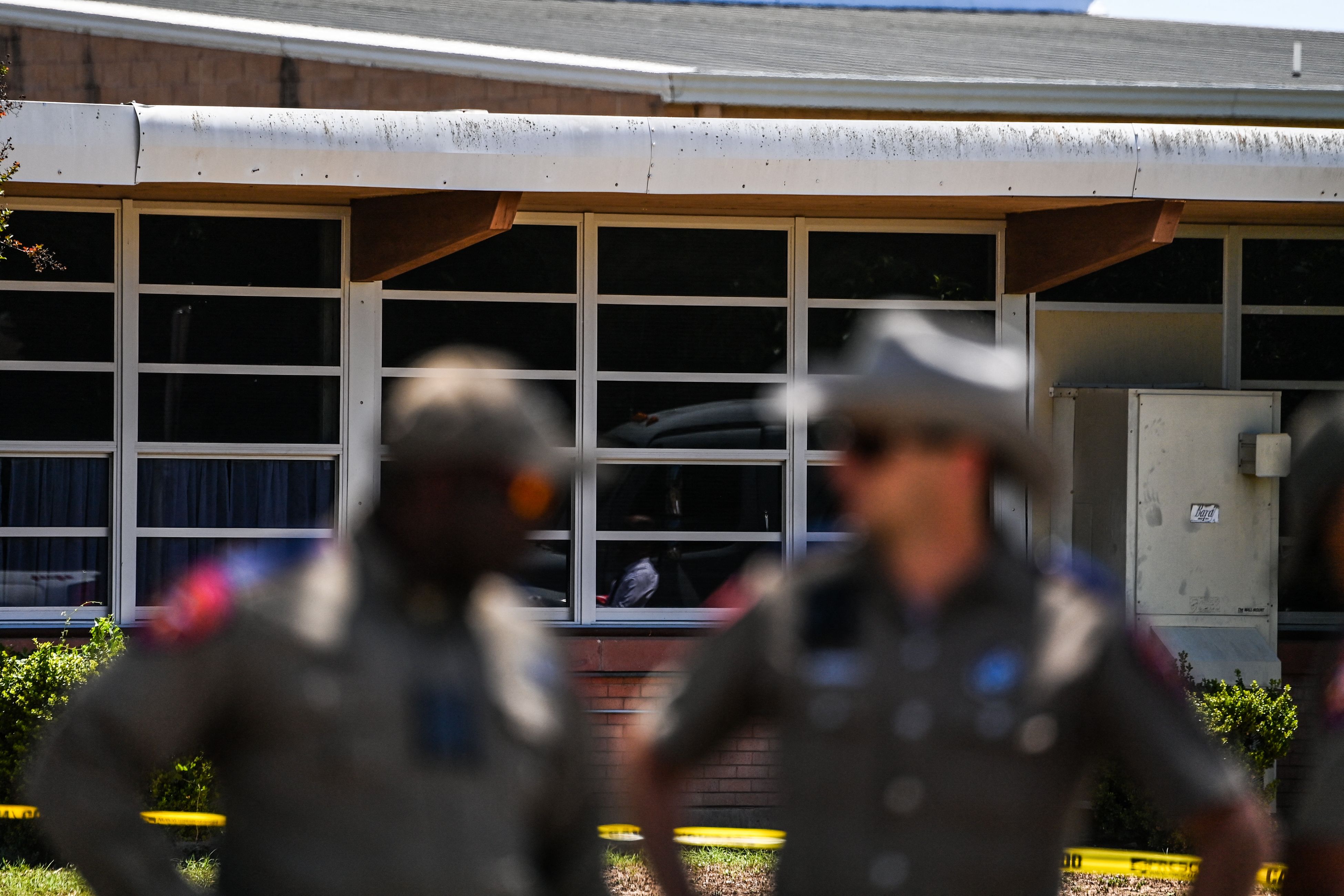
Texas dramatically expanded police presence in schools following the 2022 Uvalde elementary school shooting that killed 19 children and two teachers. The state deployed officers into classrooms and hallways across districts as a security measure. The policy has produced an unintended consequence: increased incidents of police brutality against students.
School resource officers and armed police now interact daily with children in Texas schools. Documentation shows these officers have engaged in excessive force incidents involving students, including physical restraint, tasers, and arrests for conduct that traditionally fell under school discipline. Students report feeling less safe despite the expanded security apparatus.
The approach reflects a broader law-and-order response that prioritizes armed presence over other safety measures. Texas policymakers chose armed guards and police expansion rather than investing in mental health services, threat assessment programs, or addressing root causes of school violence. The state legislature approved these measures with bipartisan support, framing police as the primary solution to mass shooting prevention.
Critics argue the strategy crimininalizes student behavior and diverts resources from proven safety interventions. Disciplinary incidents now enter the criminal justice system rather than remaining within school administration. Students, particularly those from communities of color, face disproportionate enforcement and arrests for minor infractions.
The evidence suggests Texas created a vicious cycle. Schools became more securitized environments. Police presence normalized law enforcement interaction with children. Officers deployed in schools use force at higher rates than in other settings. Students experience trauma from police encounters rather than protection from the measures intended to keep them safe.
Texas officials have not substantially reconsidered the police expansion strategy despite documented brutality incidents. The state continues prioritizing armed presence while resisting calls for alternative safety models that other jurisdictions have implemented. The Uvalde response illustrates how crisis-driven policymaking, without careful consideration of implementation and consequences, can produce outcomes opposite to stated intentions.