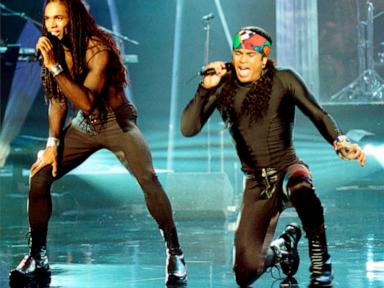
Milli Vanilli and Morris Day have withdrawn from performances at "The Great American State Fair," a Trump-linked event scheduled for Washington's National Mall.
The musical acts cited opposition to the event's association with former President Donald Trump. Both performers rescinded their commitments after organizers revealed the connection to Freedom 250, a Trump-aligned group. The decision reflects broader entertainment industry divisions over political alignment during an election season when Trump remains a central and polarizing figure in American politics.
Milli Vanilli, the 1990s pop duo, and Morris Day, the funk musician and former Time band frontman, join a growing list of artists reassessing their participation in Trump-associated events. The withdrawals demonstrate how Trump's political presence continues to shape cultural decisions in the entertainment world, with artists weighing commercial opportunities against political positioning.
The National Mall event had marketed itself as an Americana celebration but drew scrutiny once its political backing became public. Freedom 250, the organizing entity, maintains ties to Trump's political operation and fundraising efforts. The festival's positioning as a grassroots "state fair" contrasted sharply with its actual financial and organizational roots.
The cancellations carry implications for Trump's broader cultural strategy heading into campaign season. Entertainment acts serve as visible endorsements and crowd-drawing attractions at political events. When performers withdraw, it signals either genuine political disagreement or wariness about associating their brands with controversial political figures.
Other performers remain scheduled for the National Mall shows, though organizers have not released a complete updated lineup. The event represents one of several attempts by Trump-aligned groups to host large-scale gatherings that blend entertainment, Americana imagery, and political messaging.
The situation reflects a pattern from previous election cycles where artists have faced pressure to either embrace or reject political candidates and movements. These decisions often affect both the events themselves and the performers' broader political standing within their respective fan