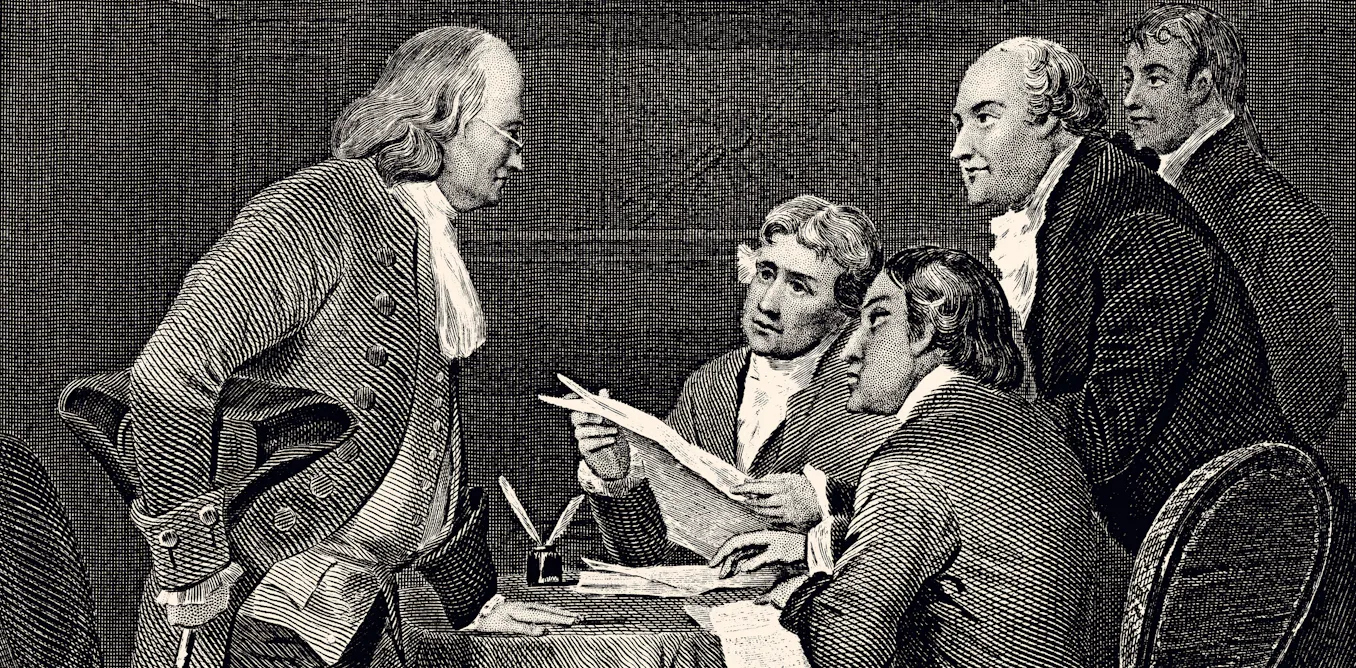
John Adams and Thomas Jefferson pursued fundamentally different visions for the American Revolution despite their partnership in founding the nation. The two men clashed over the revolution's core purpose and legacy even as they approached death.
Adams championed a federalist framework that emphasized strong central government and commercial development. He believed the revolution aimed to establish order and stable institutions that would preserve liberty through hierarchical structures. Jefferson, by contrast, envisioned agrarian republicanism rooted in individual rights and limited government power. He saw the revolution as a democratic awakening that should devolve authority to ordinary citizens and states.
Their disagreements extended to fundamental questions about human nature and governance. Adams distrusted popular majorities and feared mob rule. Jefferson held faith in the people's capacity for self-governance and opposed concentrations of wealth and power. These tensions shaped their competing policies on banking, land distribution, and federal authority.
Yet despite these philosophical divides, Adams and Jefferson collaborated on revolutionary priorities. Both men signed the Declaration of Independence and served as president, implementing their respective visions when holding office. Jefferson purchased the Louisiana Territory and championed westward expansion. Adams pursued naval development and commercial treaties.
The founding generation's internal conflicts reveal a republic built on genuine debate rather than uniformity. Adams and Jefferson corresponded extensively near the end of their lives, exchanging letters that reflected both their enduring disagreements and mutual respect. They died on July 4, 1826, exactly fifty years after independence was declared.
Their legacies persist through competing traditions in American politics. Federalist and Jeffersonian strands continue shaping contemporary debates over government size, individual liberty, and democratic representation. The founders' capacity to disagree while advancing shared revolutionary principles demonstrates how democracies accommodate competing ideologies within common institutions.