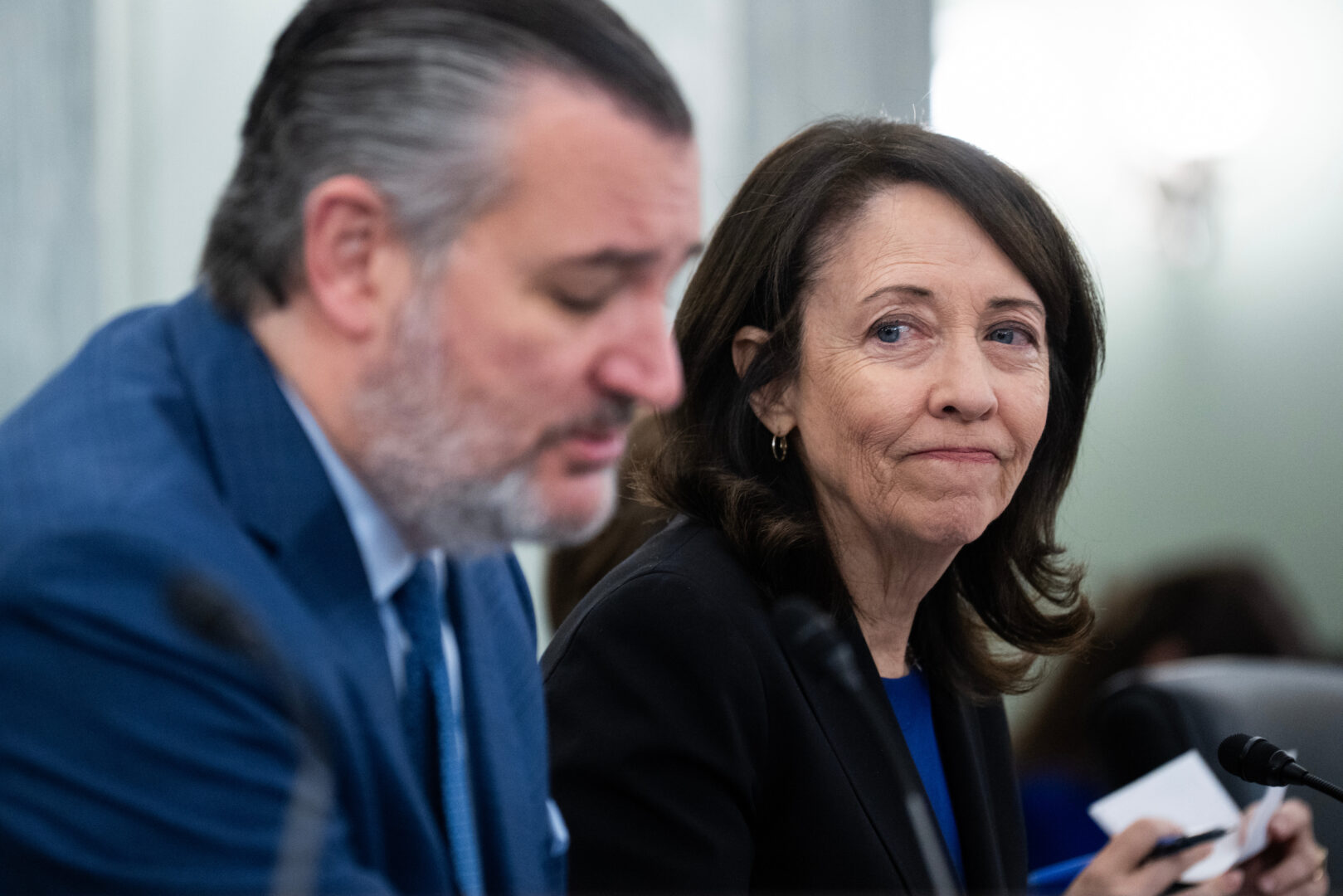
The Senate Commerce Committee unveiled legislation Wednesday to regulate college athletics' name, image and likeness market, which has operated with minimal federal oversight since the NCAA's enforcement authority collapsed in 2021. Committee leaders plan hearings and markup sessions on the "Protect College Sports" bill, signaling momentum toward comprehensive NIL governance.
The bipartisan effort addresses a landscape transformed by athlete compensation deals that bypass traditional university control. Since the Supreme Court limited the NCAA's power and state NIL laws proliferated, college sports have fractured into competing regulatory regimes. Athletes now negotiate endorsements independently, sometimes facilitated by third-party collectives funded by boosters. This has created compliance confusion, fairness disputes, and recruitment advantages tied to market size rather than athletic merit.
The Commerce Committee's move reflects growing congressional concern about unequal access to NIL opportunities across schools and conferences. Smaller programs and athletes in less popular sports struggle to attract comparable compensation. The bill aims to establish federal baseline standards while protecting athlete rights to profit from their names and likenesses.
Details remain sparse from the RSS excerpt, but Senate Commerce typically pursues legislation balancing athlete interests, university operations, and competitive integrity. Any bill must navigate conflicting state laws already in effect and determine federal versus state authority.
The Republican aide's announcement of upcoming hearings suggests the committee intends deliberate vetting before floor consideration. This process could extend into late 2024 or 2025, depending on other legislative priorities and potential amendments.
Success requires consensus between Republicans and Democrats, and between committee members representing states with strong college athletic traditions. The NIL issue has transcended partisan divides, as both parties have members supporting athlete compensation and others defending institutional control.
The committee's action represents the most serious federal legislative push on college sports since the NCAA governance crisis began. Passage would impose uniform rules across the industry and likely preempt conflicting state statutes, establishing