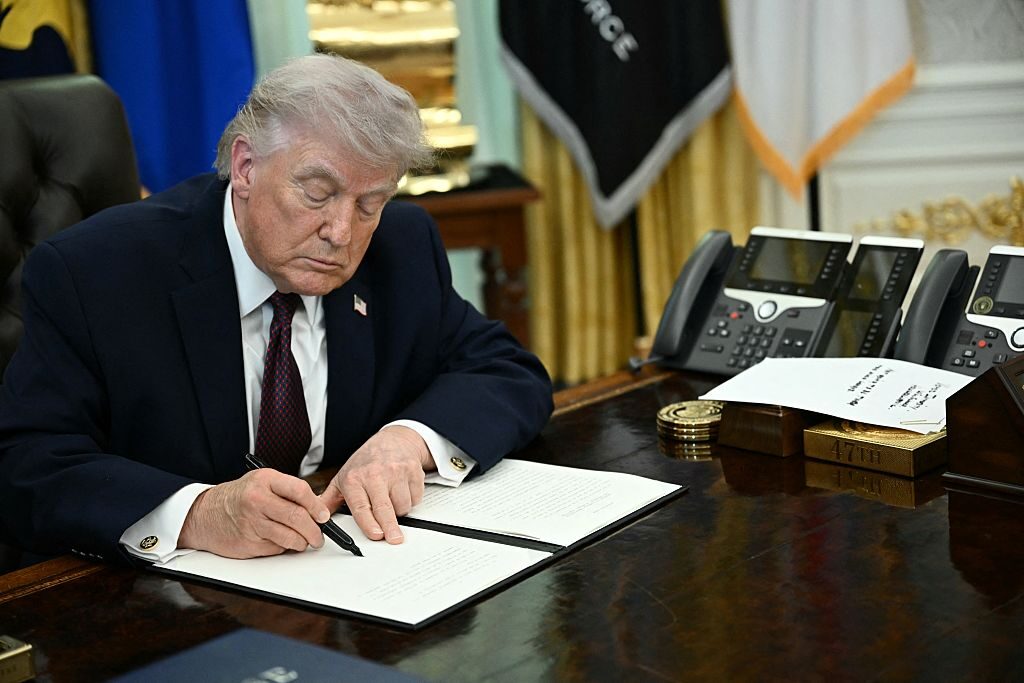
Federal Judge Carl Nichols declined Thursday to block portions of President Donald Trump's executive order restricting mail voting in federal elections. The judge ruled that plaintiffs challenging the order had not yet demonstrated concrete harm, making it premature to issue a preliminary injunction.
Nichols, ruling from the U.S. District Court for the District of Columbia, found insufficient evidence that anyone had suffered actual injury from the executive order. This standard sets a high bar for those seeking to halt the policy before litigation concludes.
The decision reflects the early stage of litigation over Trump's voting restrictions. Legal challenges to executive orders typically require plaintiffs to prove they face imminent, irreparable harm. Nichols determined that threshold had not been met at this point.
The order itself directs federal agencies to examine and potentially restrict mail voting access in federal elections. This marks a significant shift in voting policy under Trump's administration, as mail voting expanded substantially during the COVID-19 pandemic and remains widely used across states.
Voting rights advocates and Democratic groups have contested the executive order, arguing it undermines ballot access and infringes on constitutional voting protections. Republicans supporting the order contend that mail voting creates security vulnerabilities, though studies have found voter fraud through mail ballots remains extremely rare.
The case will proceed through the federal courts, with future opportunities for judges to address the merits of the restrictions. Nichols' decision to deny the pause reflects judicial caution about intervening in executive branch policy decisions without clear evidence of harm.
The ruling gains importance within broader debates over election administration authority. Federal courts have traditionally deferred to states on voting procedures, though constitutional questions about federal election rules remain contested. How courts ultimately rule on Trump's order could reshape mail voting access nationwide and influence voting practices through the 2026 midterms and beyond.