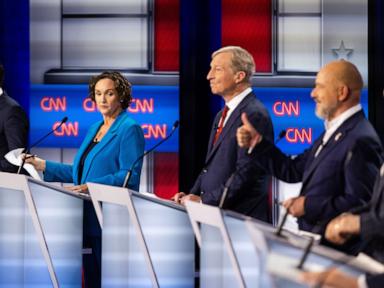
California's gubernatorial race remains wide open as Democrats navigate a crowded primary field with no consensus candidate emerging ahead of the November general election. The state's top-two primary system means the two candidates receiving the most votes advance regardless of party affiliation, creating uncertainty among the state's Democratic base about which candidates can best succeed in the general election.
Multiple candidates are competing to replace Governor Gavin Newsom, who is barred from seeking another term. Democrats in California hold decisive numerical advantages, making the primary outcome heavily influential on the November matchup. However, the party has failed to coalesce around a single candidate, with voters expressing ambivalence about the available options.
The lack of a clear front-runner reflects broader tensions within California's Democratic Party. Some voters prioritize economic and homelessness solutions. Others emphasize education funding, criminal justice reform, or environmental protection. This fragmentation has allowed multiple candidates to maintain viable campaigns without breaking away decisively.
The packed primary field means resources get split across numerous campaigns rather than consolidated behind one or two candidates. This dynamic allows candidates with strong regional support or specific constituency backing to remain competitive even without statewide polling leads. Some candidates appeal strongly to progressive voters, while others position themselves as moderate alternatives.
The ambivalence Democratic voters show toward their choices reflects frustration with incumbent governance and uncertainty about the direction the state should take. Voters face difficult calculations about which candidate can build the broadest coalition in a general election against Republican opponents.
With only days remaining before voters head to the polls, campaigns are executing final outreach. Television advertising has intensified, and candidates are making last-minute stops across the state. The compressed timeline leaves limited opportunity for any candidate to shift the race decisively in their favor.
The final primary result will significantly shape the November general election. If two Democrats advance, it signals party division heading into the general. If a Democrat and Republican advance, it