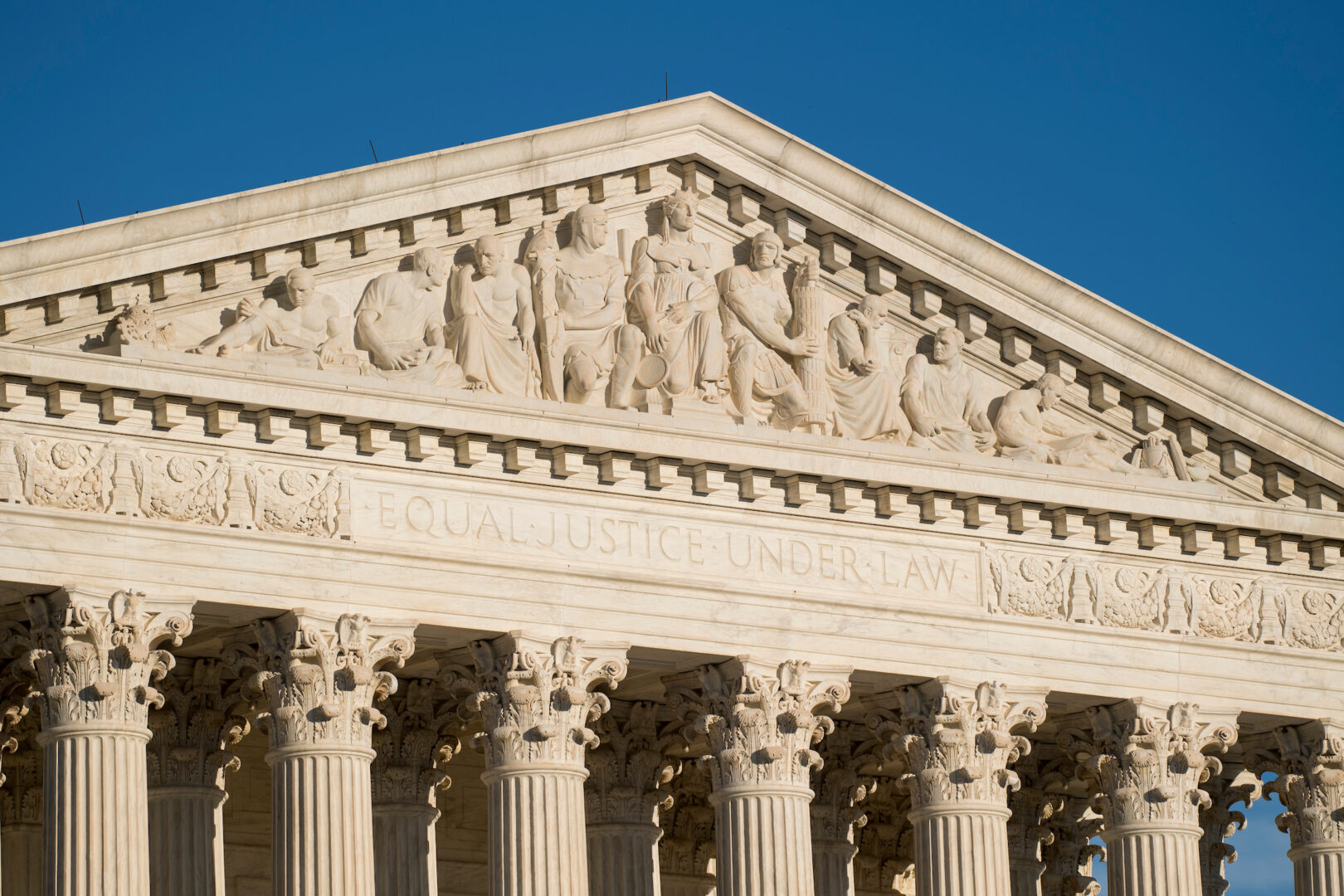
Alabama's Republican-led government filed emergency applications with the Supreme Court on Wednesday seeking to overturn a lower-court decision blocking the state's new congressional map from use in the 2024 elections. State officials requested the justices either temporarily pause the lower-court ruling while an appeal proceeds or permanently invalidate the decision.
The applications represent Alabama's latest attempt to implement redistricting that has faced legal challenges. A lower court previously blocked the map, likely finding it violated voting rights protections or lacked proper justification under redistricting law. By appealing directly to the Supreme Court, Alabama seeks to bypass the normal appellate process and restore the map before November elections.
The timing reflects the urgency surrounding election preparation. States must finalize district maps weeks before elections to allow candidates to file, campaigns to organize, and voters to understand their representation. If the Supreme Court does not intervene, Alabama may face using an older map or experiencing last-minute redistricting disruptions.
Alabama's request tests the current Supreme Court's approach to redistricting disputes. The conservative majority has previously shown deference to state legislatures on map-drawing, particularly in the 2022 case involving Alabama's congressional districts and voting rights claims. The justices may view this emergency application as straightforward state prerogative or demand more thorough briefing on voting rights implications.
The case carries stakes beyond Alabama. Redistricting challenges remain active across multiple states heading into 2024, and the Supreme Court's handling of Alabama's request could signal how aggressively it will defer to state officials or scrutinize maps for potential civil rights violations. The outcome may also influence whether other states attempt similar emergency applications before election day.
Lower courts frequently intervene in redistricting matters to ensure compliance with the Voting Rights Act and constitutional requirements for fair representation. Alabama's appeal suggests state officials believe the lower court overstepped, viewing the decision as