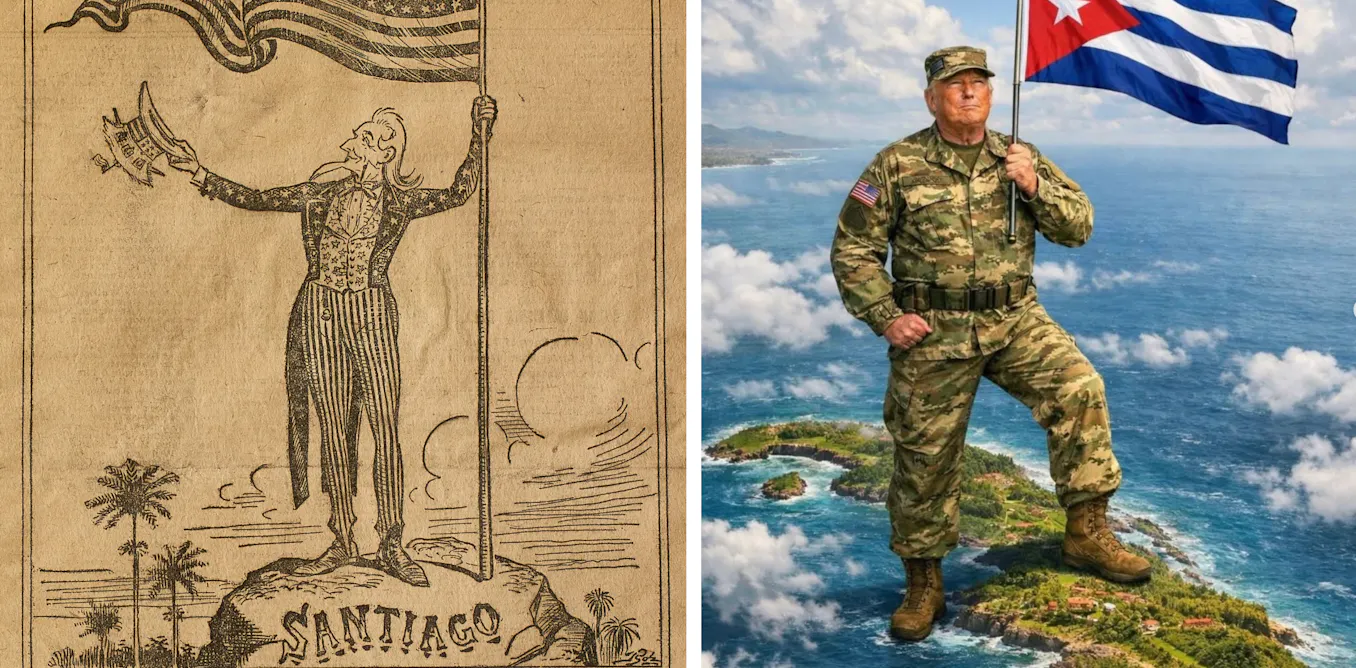
Cubans have turned to artificial intelligence image generators to visualize scenarios of American military intervention, producing images that evoke the colonial interventions of the 1890s. The trend reflects deepening desperation among ordinary citizens who see few viable paths forward under the current government.
The practice reveals how constrained Cuba's political landscape has become. With limited domestic reforms and deteriorating economic conditions, some Cubans have begun fantasizing about external solutions. AI-generated images depict American warships, soldiers, and scenes reminiscent of the Spanish-American War era, when the United States first intervened in Cuban affairs.
This virtual exercise carries political weight. It demonstrates erosion of nationalist sentiment that the Cuban government has cultivated for over six decades since the 1959 revolution. The revolutionary narrative centered on resisting American imperialism. That narrative now competes against material hardships including severe shortages, currency collapse, and restricted personal freedoms.
The images circulating online document a population willing to imagine abandoning sovereignty in exchange for economic relief and political change. Cuban citizens posting these AI fantasies risk state retaliation, yet do so anyway. The act itself becomes political protest.
The phenomenon underscores how economic and political dysfunction can rewrite national identity. Cuba's young people especially, who lack memories of pre-revolutionary hardship or American-backed authoritarianism, view history differently than their elders. They weigh imperial nostalgia against present desperation.
The Cuban government has not substantially addressed the conditions driving this sentiment. Instead, it maintains the same governance structures while the population's willingness to imagine radical change increases. The gap between regime stability and popular dissatisfaction continues widening.
These AI fantasies represent neither a serious political movement nor any realistic pathway to change. They function as a pressure valve, a dark joke, a symptom of exhaustion. They indicate how thoroughly conventional political channels have failed Cuba