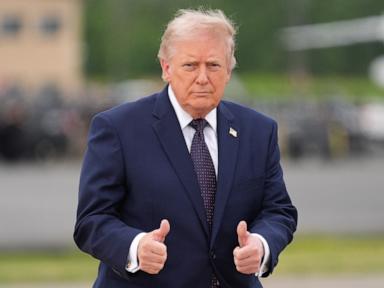
Donald Trump's dominance over the Republican Party machinery reaches a new high as his endorsements reshape primary contests across the country. His backing of Texas Attorney General Ken Paxton in the GOP primary demonstrates the former president's outsized influence over candidate selection, a power that extends far beyond traditional party structures.
Trump's endorsement strategy reveals his grip on Republican voters. Candidates bearing his seal of approval consistently win primary races, forcing establishment Republicans to align with his political priorities or face primary challenges from Trump-backed alternatives. This consolidation of party control under Trump's banner has fundamentally altered how Republicans select nominees.
The endorsement pattern raises a central question for the party's electoral prospects. While Trump commands loyalty among GOP primary voters, his influence over general election outcomes remains uncertain. Candidates he backs win Republican nominations but must then appeal to broader electorates in general elections, where Trump's endorsement carries less weight.
The midterm landscape presents particular complications. Voters frustrated with inflation, border security, and other kitchen-table issues may prioritize these concerns over party loyalty signals from Trump. In suburban districts that Republicans must recapture to gain House seats, Trump-endorsed candidates face potential headwinds.
Republicans entering the midterm cycle face a strategic tension. Trump's control over primaries forces candidates toward his ideological positions and communication style. Yet that same alignment could alienate swing voters and independent-minded Republicans who prioritize electability over ideological purity.
The Paxton endorsement exemplifies this calculus. Trump's support virtually ensures Paxton wins the Republican primary. Whether that same endorsement helps or hurts the nominee's general election prospects against a Democratic opponent depends on factors beyond Trump's control: the national political environment, local economy, and whether Democratic turnout matches 2020 levels.
Republicans must answer whether party unity under Trump's banner translates to sustained electoral success or becomes a liability when facing voters beyond the