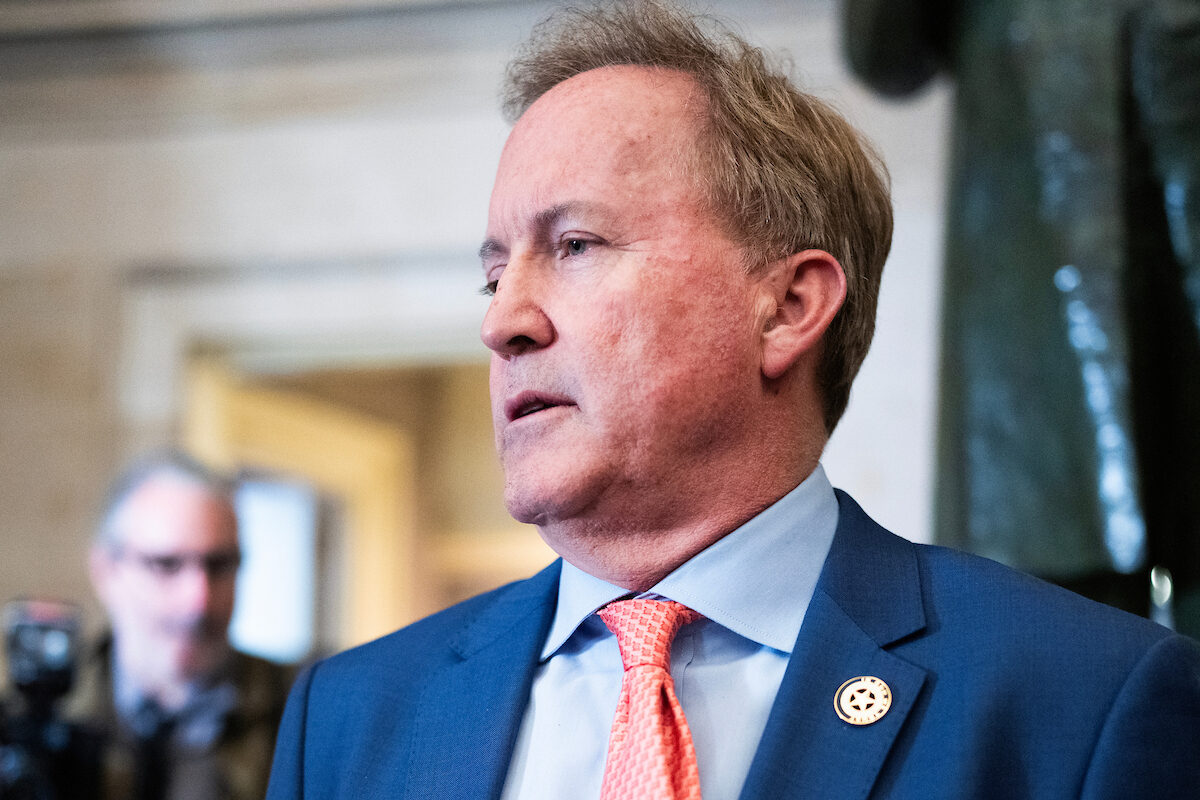
Ken Paxton, Texas attorney general, defeated four-term Senator John Cornyn in Tuesday's Republican primary runoff, marking a significant victory for Trump-aligned candidates within the GOP. Paxton, who carries multiple legal scandals and positions himself as a party disruptor, secured Trump's endorsement and mobilized MAGA voters behind his candidacy. Cornyn, an establishment Republican known for legislative acumen and measured temperament, could not overcome the anti-incumbent sentiment driving the race.
Paxton's victory reflects deepening fissures in Texas Republican politics between traditional conservatives focused on legislative effectiveness and Trump-backed candidates who prioritize ideological purity and outsider status. Cornyn's loss signals diminished influence for Senate GOP leadership in shaping primary outcomes. The senator had served four terms and maintained positions of institutional power, yet faced voter hunger for combative figures willing to challenge party orthodoxy.
Trump's endorsement proved decisive. The former president's backing energizes primary voters in Republican contests nationwide, and Texas proved no exception. Paxton leveraged that support to define Cornyn as insufficiently conservative and too accommodating of Democratic priorities. The establishment candidate's legislative credentials, traditionally valuable in Senate races, failed to resonate with runoff voters more interested in confrontational politics.
The runoff dynamics carry implications beyond Texas. Paxton's win demonstrates that scandal-adjacent candidates can prevail if they align with Trump and mobilize his base. Cornyn's defeat weakens the faction of Senate Republicans who negotiated bipartisan legislation and valued institutional norms. This pattern repeats across Republican contests where Trump endorsements correlate with primary success.
For the general election, Republicans nominated a candidate with ongoing legal exposure. Paxton faces multiple indictments related to abuse of office and securities fraud charges from 2020, though he has denied wrongdoing. Voters will determine whether his