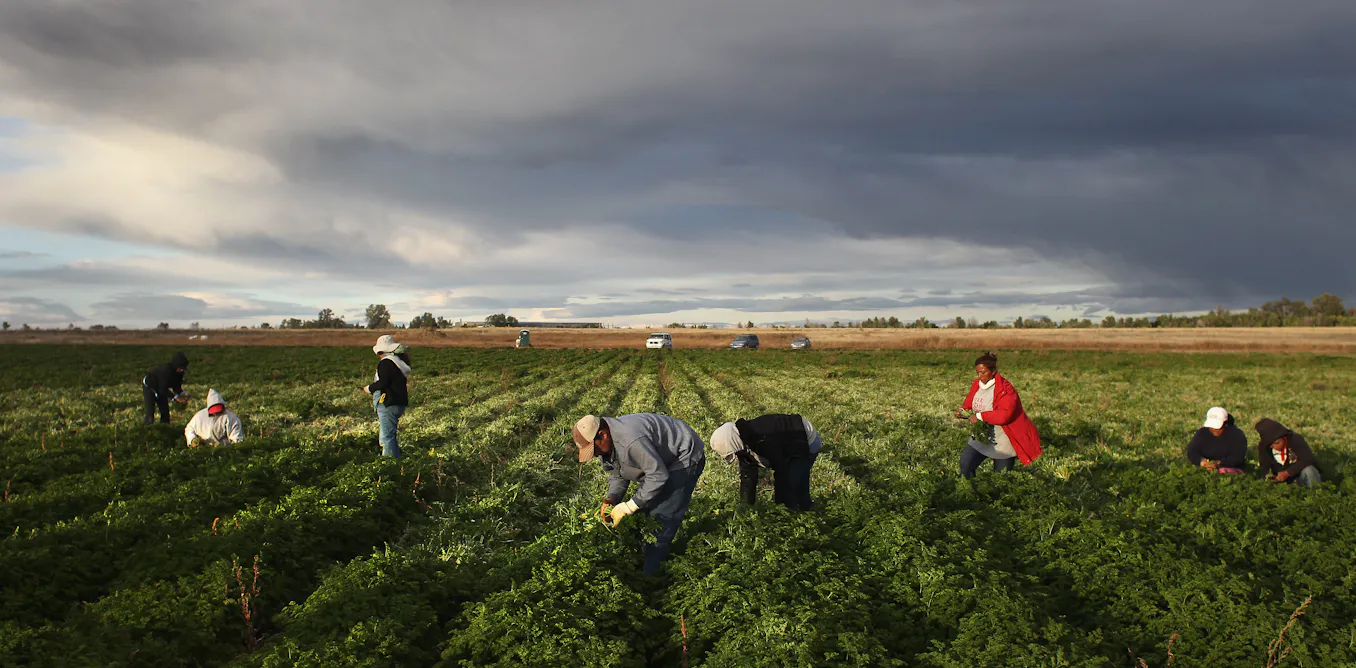
Latino workers form the backbone of Colorado's economy across agriculture, hospitality, construction, and healthcare sectors, from the San Luis Valley's farms to Vail's ski resorts. The community's labor contributions span generations, reflecting deep historical roots in the state that predate modern borders.
Yet the Trump administration's immigration enforcement rhetoric casts Latino workers, particularly immigrants, as intruders rather than essential economic participants. This framing creates a disconnect between political messaging and economic reality. Colorado's economy depends substantially on Latino labor. In agriculture, Latinos comprise the majority of the workforce harvesting crops across rural regions. In Denver and mountain resort towns, they staff hotels, restaurants, and service industries that drive tourism revenue. Healthcare systems rely on Latino workers for nursing and support roles.
The administration's enforcement-focused immigration policy risks disrupting labor markets that function because of Latino workers' availability and productivity. Agricultural operations, hospitality businesses, and construction companies have repeatedly warned that restrictive immigration policies threaten their ability to maintain staffing levels and output.
Historically, Latinos have inhabited Colorado for centuries. Spanish settlers established communities in the San Luis Valley in the 1600s, making them among the state's first permanent residents. This history complicates current narratives that frame immigration enforcement primarily as a border security issue rather than a policy with direct economic consequences for Colorado.
The tension between immigration enforcement rhetoric and economic dependence on Latino labor defines Colorado's current political moment. Policymakers face pressure to reconcile tough-on-immigration messaging with the practical reality that removing or discouraging Latino workers would disrupt major economic sectors. Business leaders across industries have signaled alarm about potential labor shortages under stricter enforcement regimes.
Colorado's Latino population continues growing, driven by both immigration and natural increase. This demographic trend suggests the community's economic role will only expand. The state's prosperity increasingly ties to how policymakers manage this reality. The