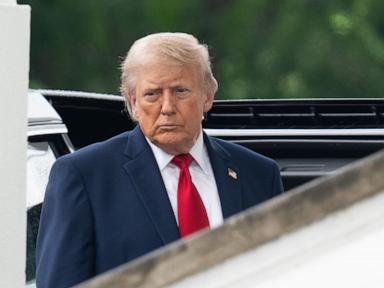
President Donald Trump will undergo an annual physical examination on Tuesday, reigniting questions about presidential health disclosure and transparency. The exam places Trump's medical status back in the public eye, though the extent of information released remains entirely within his control.
Presidential health has become a contentious political issue. During his first term, Trump released limited health information despite questions about his fitness for office. His medical records remained largely private, with only selective details shared through White House statements rather than comprehensive disclosure.
The timing of this physical comes as Trump continues his second term. Unlike many predecessors who permitted detailed medical briefings and records, Trump has historically restricted access to his health information. This approach differs sharply from practices established by previous administrations, which often allowed more transparent sharing of presidential medical data with the public.
The exam itself involves standard health assessments conducted by the president's physician. Results typically include information about cardiovascular health, cognitive function, and general physical condition. However, what gets released to the press and public depends on Trump's preferences.
This pattern reflects broader tensions over presidential accountability. Medical transparency allows voters to assess whether a leader possesses the physical and mental capacity to serve. Conversely, privacy advocates argue presidents deserve some confidentiality regarding health matters.
Trump's approach has set precedent for his second term. The upcoming physical provides another moment for him to either expand transparency or maintain limited disclosure. His decision will likely influence expectations for future health information releases throughout his presidency and shape ongoing debate about what the public deserves to know about their chief executive's health status.